
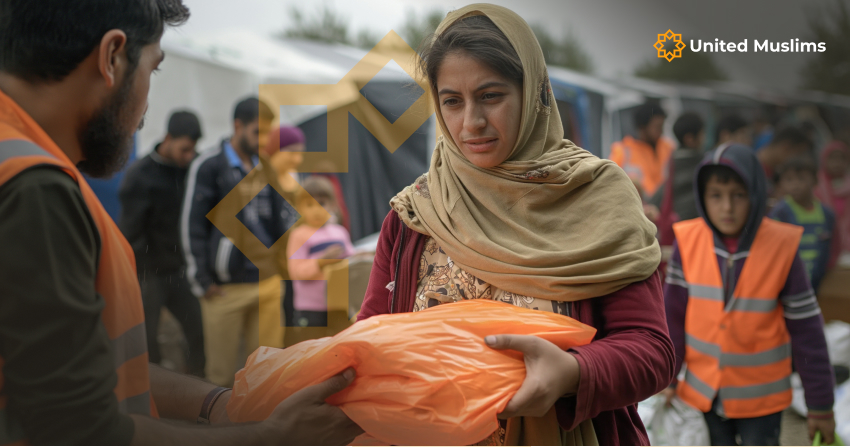
Selflessness in Islam is a core virtue involving prioritising others’ needs, even over one’s own. The people who love Allah and seek his blessings adopt this selflessness, and one of them is Fatimah (RA).
The life of Fatimah (RA) exemplifies simplicity. Her act of kindness and generous spirit are a lesson for all humankind till the end of time. Her kind heart and devout piety earned her a special place in our faith. We call her the Leader of Muslim women in Paradise (Jannah).
Fatimah (RA) was the youngest daughter of the Prophet (PBUH) and his dear wife, Khadijah (RA). Although she was born in Makkah, like all early Muslims, she ultimately migrated and settled in Madinah.
Fatimah (RA)’s life totally depicts the essence of charity and donation. Her kindness and sharing nature have defined the spirit of Muslim charity for generations. Her blessed life teaches us what contentment is, and we must draw lessons from it.
The Noble Character of Fatimah (RA)
Fatimah (RA) was raised in the most noble and blessed houses on the face of earth, the house of Prophet Muhammad (PBUH). She learned piety, compassion, and generosity from her father. The Prophet (PBUH) loved her immensely and respected her very much. He used to remark that she was part of himself.
She inherited her father’s noble traits. She saw the Prophet (PBUH) looking after the weak and dedicated her life to emulating his path.
Fatimah’s (RA) life is a beaming example for all Muslim women in particular. She was a model of dignity and courage in all circumstances, from nursing soldiers on the field to feeding the hungry in times of Madinah hardships. Her own inner goodness illuminated all earthly glory in all her roles: daughter, wife, mother.
Donate your zakat
Fulfil your obligation today – give Zakat and be a source of hope for those in need!
Stories of Fatimah's (RA) Charity and Selflessness
There are various stories and narrations that show the charity and selflessness of Fatimah. One of the most famous stories of Fatimah (RA) and her family’s sacrifices is particularly famous due to its reference in the Quran itself.
Fatimah (RA) and her family, including her husband Ali (RA) and their children, were fasting. They had very little food prepared to break their fast during sunset.
Yet, just as they were breaking the fast, they heard a knock on the door. It was a needy person who was asking for food. Instead of eating the prepared food, they donated it to the person on the door and went to bed hungry.
The next evening, they had fasted all day again. When it was time to eat, a hungry orphan showed up. Once more, they gave him each crumb of their food and slept with an empty stomach.
Then, on the third night, a captive arrived, desperate for a meal. They didn’t even hesitate and gave away all their food.
Their definition of Islam included fasting on days for Allah and donating in the evening to praise Allah. They fed on the spirit of charity and Allah’s blessings on them.
Later, Allah revealed beautiful verses about this amazing sacrifice and mentioned
“And they give food in spite of love for it to the needy, the orphan, and the captive, [Saying], ‘We feed you only for the countenance of Allah. We wish not from you reward or gratitude.” – Surah Al-Insan (76:8-9)
This revelation not only honours Fatimah (RA) ‘s act of charity but also serves as a lesson for all believers. It highlights what is expected of a Muslim: being above one’s own desires and helping others in all situations.
The selflessness of Fatimah (RA) and her family is used as a reference, as they provide food even though they desire it for themselves. Fasting for three consecutive days and donating their dinner was the test of their belief in Allah, and they passed it with flying colours.
The story also emphasises that Fatimah (RA) always cared about the most vulnerable people in society, and we should too. It shows the pure intention of Fatimah (RA), as she did not seek any personal gain or reward from the people she helped. She only did this out of her love for Allah and his blessing, which is true Muslim charity.
Lessons from Fatimah's (RA) Life
Charity has a deep spiritual effect. It keeps one connected with Allah and away from Satan’s traps. The Prophet (PBUH) taught its value.
He said:
“Sadaqah extinguishes sin as water extinguishes fire.” (Jami` at-Tirmidhi 614)
Fatimah (RA)’s example shows us this purification. Charity purifies the soul and strengthens our faith. It removes greed from the heart. Giving is not just about wealth. It is purely about a sincere intention for Allah (SWT). We must give the best of what we have.
Also Read: The Prophet’s (PBUH) Generosity to His Family and Companions
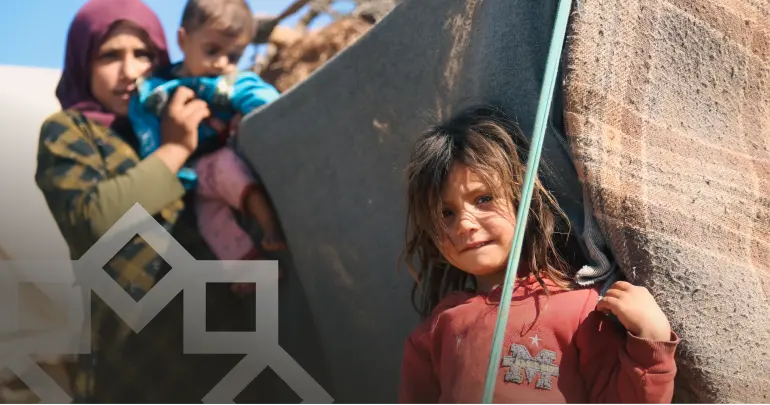
Women and Charity in Islam
Islam highly encourages women to be active in charitable work. Women play a vital role in community support. Fatimah (RA) set a high standard for all women.
She inspires generations of Muslim women. Her life shows women’s strength in faith. They can give in charity, support the vulnerable, and lead simple lives. A Muslim woman’s role is essential for a strong community. Her giving is a source of blessings for the whole family.
Honouring Fatimah’s (RA) Charity and Donation Legacy
Fatimah (RA)’s spirit of selflessness is alive today. Organisations like United Muslims carry her torch. They work to support those most in need.
United Muslims supports widows, orphans, and struggling families and deliver aid through various campaigns. This includes important Sadaqah and Zakat donations.
Our mission is directly linked to Fatimah’s spirit, and you can participate too.
- Give regular charity through trusted platforms like United Muslims.
- We can help your charity and donation reach globally through our initiatives in Pakistan, Palestine and Kenya.
Serve others simply for the sake of Allah. It brings comfort and dignity to the distressed. The charity you give today is a continuation of her blessed legacy.
Honour Fatimah (RA) ‘s legacy by giving in charity today and comforting those who need it most.
The Light of Selflessness Lives On
Fatimah (RA) passed away too young. Still, her gentle, generous spirit lives on forever. Her profound generosity and her spirit of charity and donation continue to truly inspire us believers. She taught us to always give sincerely for Allah’s sake. She showed us that the best life we can live is a life of service to others.
Bringing hope through small acts of kindness—a meal, a helping hand, or a gift can light up a child’s day.
Frequently Asked Questions
What is the most important part of true Muslim charity?
The most important part of Muslim charity is the sincerity of your intention. True charity is giving from your heart and for Allah’s pleasure, not about the amount you give.
What is the difference between Zakat and Sadaqah?
Zakat is obligatory (mandatory) and has a fixed 2.5% rate. Zakat is paid on annual savings. Sadaqah is voluntary and can be any amount at any time.
How does Fatimah (RA) serve as a role model for women?
Fatimah (RA) shows women how to live with immense dignity, deep faith, and great humility. She has played a strong role in developing a helpful community. She was strong in her roles as a daughter, wife, mother, and community servant.
How can we continue Fatimah's (RA) legacy today?
To continue Fatimah (RA) ‘s legacy, we should follow her example in every step of life. Start by giving Sadaqah (charity) to the needy. We should also sincerely support orphans, widows, and the poor for Allah’s sake.
Do the United Muslims give charity to Palestine?
Yes, United Muslims designed special initiatives to help the muslims of Palestine. We help your charity and donations reach needy people in Palestine.
