Ramadan 2026 in the UK is expected to begin in mid-February, marking a sacred month of fasting, prayer, charity, and reflection for Muslims across Britain. With shorter winter fasts and busy work and school schedules, early preparation is essential for a spiritually fulfilling Ramadan.
This complete Ramadan 2026 UK guide covers expected dates, fasting hours, prayer routines, charity and Zakat guidance, and practical tips tailored specifically for Muslims living in the United Kingdom.
As Allah says in the Quran:

Select an element to maximize. Press ESC to cancel.
This verse encourages us to approach Ramadan with sincere intention, kindness, and care for others.
Ramadan 2026 Dates in the UK (Moon Sighting)
Ramadan 2026 is expected to begin on the evening of Tuesday, 17 February 2026, with the first fast on Wednesday, 18 February 2026. The month is predicted to end around Thursday, 19 March 2026, with Eid al-Fitr on Friday, 20 March 2026.
These dates are based on astronomical calculations. The official start and end of Ramadan in the UK depend on moon sighting announcements by recognised authorities. This guide will be updated if official UK moon sighting confirmations differ.
During Ramadan 2026, Muslims in the UK will observe fasting during colder mornings and early evenings. With work, school, and daily responsibilities continuing as normal, advance planning helps maintain balance throughout the month.
Check out the Ramadan 2026 calendar UK to make the most of your daily worship and charitable activities.
How to Prepare for Ramadan 2026 in the UK (Spiritual Preparation)
The weeks before Ramadan are the best time to build habits that last throughout the month.
Select an element to maximize. Press ESC to cancel.
Strengthening Daily Worship
Start improving your prayer routine now. Focus during salah, spend a few extra minutes in calm reflection, and set aside time for dhikr.
The Prophet Muhammad (PBUH) said:
“The most beloved deeds to Allah are those done regularly.” (Sahih Muslim)
Taraweeh Prayers Explained for UK Muslims
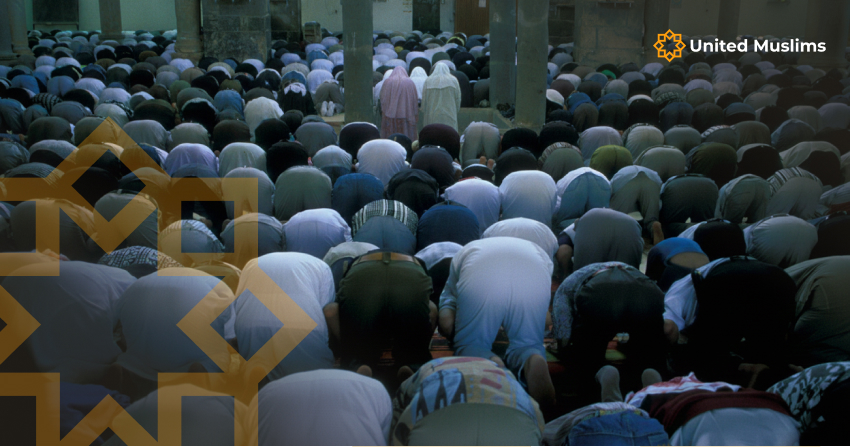
Taraweeh prayers are performed after the Isha prayer during Ramadan and include extended recitation of the Quran. Many mosques aim to complete the Quran throughout the month.
If you are new to Taraweeh:
You may pray fewer rak’ahs
You can sit and listen if standing becomes difficult
Attending consistently matters more than perfection
Select an element to maximize. Press ESC to cancel.
Select an element to maximize. Press ESC to cancel.
Building a Daily Quran Routine Before Ramadan
Ramadan is the month of the Quran. Set a realistic goal that suits your schedule and ability. This could include:
- Completing the entire Quran
- Reading a set portion daily
- Studying translation and Tafsir for understanding
Start now by dedicating a small, fixed time each day to Quran recitation. This makes it easier to maintain consistency during Ramadan.
Allah says:
Setting Personal Ramadan Goals
Write down what you want to achieve during Ramadan 2026. Focus on a balanced routine of fasting, prayer, Quran recitation, charity, patience, and kindness. Clear goals help you stay motivated and keep your days organised.
Creating a Peaceful Home Environment
Preparing your home before Ramadan supports a calm mindset:
A peaceful environment supports better worship and reflection.
Select an element to maximize. Press ESC to cancel.
Suhoor and Iftar Planning for Ramadan 2026 UK
Advance meal planning reduces daily stress. Choose foods that provide lasting energy and hydration.
Suhoor tips:
- Eat slow-digesting foods like oats, eggs, whole grains, and yoghurt
- Avoid salty, spicy, and sugary foods
- Drink water steadily throughout the night
Iftar tips:
- Break the fast lightly with dates and water
- Avoid overeating heavy meals
Review your local Ramadan 2026 UK fasting timetable when planning meals
Supporting Neighbours and Sharing Food
Ramadan encourages generosity and community spirit. Sharing meals with neighbours, elderly residents, or single-parent households reflects the true essence of the month. Many families also prepare food parcels for those in need.
Common Challenges for First-Time Fasters
It’s vital to address the worries in your mind. Every single fasting Muslim has faced these, and we have strategies to manage them.
Handling Hunger and Thirst
Eat carbohydrates and protein-rich food in suhoor as these foods digest slowly and keep you full for a long time. Some common options include oats, eggs, whole grains, and yoghurt. Avoid sugary cereals and white bread because they may cause an energy crash later.
Manage thirst through hydration. Do not just drink at suhoor. Drink water throughout the night if you prefer to stay awake. Avoid salty and spicy foods at suhoor because they increase thirst.
Dealing with Mistakes and Imperfections
Mistakes and imperfections are part of the journey. You might forgetfully take a sip of water or sleep through suhoor. You may also lose your temper, but this is being human. Islam provides flexibility for human error.
The fast is broken only by intentional consumption of food or water. A forgotten sip does not invalidate your fast. You simply stop once you realise and continue your fast. You may need to break your fast for illness or travel, but you can make up those days later. View your first Ramadan as a learning experience. Do not compare yourself with a born Muslim.
Charity and Zakat During Ramadan 2026
Ramadan is the peak month for giving. Many Muslims choose this time to fulfil their Zakat obligation and increase voluntary charity (Sadaqah).
Before Ramadan:
Calculate your Zakat using a Zakat calculator
Plan donations in advance
Decide how you want to give consistently throughout the month
UK Muslims often support:
Giving regularly during Ramadan multiplies reward and impact.
Select an element to maximize. Press ESC to cancel.
Select an element to maximize. Press ESC to cancel.
Select an element to maximize. Press ESC to cancel.
Select an element to maximize. Press ESC to cancel.
Select an element to maximize. Press ESC to cancel.
Select an element to maximize. Press ESC to cancel.
Choosing Where Your Donation Goes
As you prepare your Zakat, consider the immense need in the world. We encourage donors to support:
- Palestine charity relief
- Education programmes
- Clean water projects
- Emergency aid for vulnerable families
- Orphans and widows
- Global charity initiatives
Donation for Palestine remains a priority in many Muslim households, especially during Ramadan.
Select an element to maximize. Press ESC to cancel.
Supporting Long-Term Charity Projects
How to Give Charity During Ramadan
You can:
- Donate online
- Use a bank transfer
- Contribute through local masjid collections
- Donate food parcels
- Provide cooked meals
- Support water charity efforts
- Give in charity quietly and consistently
Each method carries a reward and helps improve another person’s life.
Making the Most of the Last 10 Nights
In the final ten nights, Muslims increase worship and charity in search of Laylat al-Qadr (The Night of Power). Learn more in our complete Laylat al-Qadr 2026 UK guide.
Allah says:
“The Night of Decree is better than a thousand months” – Surah Al-Qadr (97:3)
These nights are a good time for prayer, reflection, and sincere dua. Keep your heart present and your evenings calm.
Select an element to maximize. Press ESC to cancel.
“Whoever prays on Laylat al-Qadr with faith and seeking reward, his previous sins will be forgiven.” (Bukhari & Muslim)
Increasing Charity in the Final Nights
Many people give charity every night during this period to ensure their donation coincides with Laylat-al-Qadr. Even small amounts bring great rewards. You can support clean water work, donations for Palestine, education programmes, and global charity aid.
Preparing for Eid al-Fitr 2026 in the UK
As the month of fasting concludes, muslims prepare for the joyous celebration of Eid al-Fitr. This day is marked by gratitude and continued giving. Good planning helps you enjoy the day without stress.
Zakat al-Fitr in Ramadan 2026
Zakat al-Fitr is an obligatory charity given before the Eid al-Fitr prayer. In the UK, it is usually paid during the last days of Ramadan to help those in need celebrate Eid with dignity.
Muslims are encouraged to pay Zakat al-Fitr early to ensure it reaches eligible recipients on time.
The Prophet Muhammad (PBUH) said:
Select an element to maximize. Press ESC to cancel.
“The fast remains suspended between heaven and earth until the Zakat al-Fitr is given.” (Ibn Majah)
Read our complete guide to Zakat al-Fitr, including amount, eligibility, and payment deadlines.
Select an element to maximize. Press ESC to cancel.
Select an element to maximize. Press ESC to cancel.
Ramadan 2026 UK – Frequently Asked Questions
When does Ramadan 2026 start in the UK?
Ramadan 2026 is expected to start on the evening of 17 February, subject to moon sighting.
How long is fasting in the UK during Ramadan 2026?
Fasting hours will be moderate due to winter timing, with early sunsets in most regions.
Can I give Zakat during Ramadan?
Yes, many Muslims prefer to give Zakat during Ramadan due to increased reward.
Which charities can I support in Ramadan UK?
UK-registered charities such as United Muslims support both local and global humanitarian causes.
Is Ramadan difficult for first-time fasters?
It can be challenging at first, but preparation and patience make the experience rewarding.
Continuing Charity After Ramadan
Ramadan should inspire long-term change. Consider setting up a small monthly donation and continuing acts of kindness throughout the year. Supporting families with Eid gifts or food boxes helps spread joy on this blessed occasion.
Start Your Ramadan 2026 Journey Today
Ramadan offers a chance to refresh your heart and support people in need. The key to a successful, rewarding month lies in preparation. Don’t wait until the last minute to plan your spiritual life, your donations, or your home.
Begin preparing early so your worship feels smooth and purposeful. Your charity, from clean water support to donations for Palestine, carries great blessings. May Allah bring peace, ease, and reward to your Ramadan 2026 and accept every act of kindness you give in charity.