
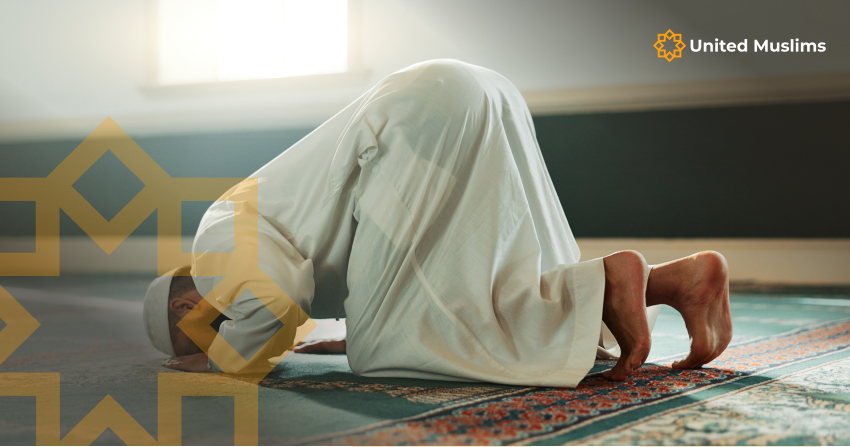
After Ramadan ends, many Muslims look for ways to maintain the spiritual discipline they developed during the holy month. Shawal fasting is a voluntary act of worship that helps believers continue their devotion after Eid al-Fitr. 

Observing these additional fasts allows Muslims to remain connected to their faith while keeping the habits of patience, reflection, generosity, and gratitude alive.

Select an element to maximize. Press ESC to cancel.
 

The Significance of Shawal

Shawal comes after Ramadan in the Islamic calendar. It starts with the celebration of Eid al-Fitr, a day of gratitude and happiness for Muslims around the world. Eid marks the end of the obligatory fasts of Ramadan, but the days that follow offer new chances for voluntary acts of devotion.


The Shawal month is often viewed as a time to protect the spiritual progress made during Ramadan. Maintaining prayer, reflection, and voluntary worship during this month helps believers stay consistent in their faith.

As mentioned in the Quran:

Select an element to maximize. Press ESC to cancel.
 

“And whoever does righteous deeds, whether male or female, while being a believer – those will enter Paradise.” Surah An-Nisa (4:124)

This verse encourages believers to continue doing good even after Ramadan ends.

Select an element to maximize. Press ESC to cancel.
 

What is Shawal Roza and What are its Rewards?

The term Shawal roza refers to fasting six voluntary days during Shawal after the celebration of Eid. Islamic tradition greatly encourages these fasts, even though they are not mandatory.

A well-known hadith highlights their reward:

Select an element to maximize. Press ESC to cancel.
 

“Whoever fasts during the month of Ramadan and then follows it with six days of Shawal will be (rewarded) as if he had fasted the entire year.” (Muslim)

Islamic scholars explain that this reward comes from the principle that good deeds are multiplied. Ramadan fasting carries great reward, and when it is followed by six voluntary fasts, the total reward symbolically equals a year of fasting.

Because of this promise, many Muslims include these fasts in their yearly acts of worship.


Select an element to maximize. Press ESC to cancel.
 
Select an element to maximize. Press ESC to cancel.
 

Donate your zakat

Fulfil your obligation today – give Zakat and be a source of hope for those in need!

When Should the Six Fasts Be Observed in the UK?

The fasts can be observed at any time during the Shawal month, starting the day after Eid al-Fitr. The first day of Shawal 1447 (Eid al-Fitr) in the UK is expected to be on Friday, March 20, 2026. Some estimates say it might happen as early as March 19. It depends on local moon sightings, but most communities will probably celebrate on March 20.

Also Read: Eid al-Fitr 2026: Expected Date, Moon Sighting & Significance

The six fasts do not need to be consecutive, making them manageable for people balancing work, family, and daily responsibilities. Some Muslims prefer completing the six fasts in a row soon after Eid, while others spread them throughout the month of Shawal. Both approaches are valid as long as the intention is sincere.

It’s necessary to make the intention, or niyyah, before you start fasting. This reflects that a believer wants to please Allah through voluntary worship.

Select an element to maximize. Press ESC to cancel.
 
Select an element to maximize. Press ESC to cancel.
 

Continuing the Spirit of Charity

Ramadan often inspires generosity, and that spirit should continue after the month ends. Supporting charity during fasting Shawal is one way Muslims continue serving others.


Many Muslims fulfil their obligation of Zakat during Ramadan. After the month ends, voluntary giving becomes another important way to help communities. Even small Sadaqah donations can provide help for families who need assistance.


Organisations such as United Muslims make it easier for people to give to those in need. In Islam, giving isn’t just about money. Being kind, helping others, and caring for your community are all ways to give that make society stronger.


The Quran highlights the impact of sincere giving.


As mentioned in the Quran:

Select an element to maximize. Press ESC to cancel.
 

“The example of those who spend their wealth in the cause of Allah is that of a grain that sprouts into seven ears, each bearing one hundred grains.” Surah Al-Baqarah (2:261)

This reminder shows how being kind can bring you even more rewards.
Select an element to maximize. Press ESC to cancel.
 
Complete Islamic Guide

Practical Tips for Observing Shawal Fasts

You should be careful and balanced when you choose to fast. Here are some tips to keep your energy and spiritual focus:


  • Prioritise Balanced Nutrition: Focus on complex carbohydrates and proteins during Suhoor and Iftar to maintain energy levels throughout the day.
  • Stay Hydrated: Make sure you drink a lot of water between sunset and dawn, especially if you are fasting multiple days in a row during the spring month of March.
  • Select Your Days Wisely: You don’t have to fast every day. If you have a lot of work to do throughout the week, you could fast on Mondays and Thursdays (following the Sunnah) or on the weekends.
  • Keep up your Spiritual Routine: During your fast, keep reading the Quran, doing more Dhikr, and thinking about your character, just like you did during Ramadan.


Listen to Your Body: If you are making up for missed Ramadan fasts (Qada), make sure to manage your schedule so that you don’t get too tired.

Select an element to maximize. Press ESC to cancel.
 

Final Thoughts

Shawal offers a great opportunity to continue the spiritual journey that begins during Ramadan. Observing voluntary fasts during this month helps believers maintain discipline and remain mindful of their faith.

These voluntary fasts remind people that they can grow spiritually all year round, not just during one month. At United Muslims, we believe that worship and service go together. Muslims can keep the spirit of Ramadan alive beyond one month by continuing to fast and support important causes.

Bringing hope through small acts of kindness—a meal, a helping hand, or a gift can light up a child’s day.

Frequently Asked Questions

What is Shawal fasting?

Shawal fasting refers to observing six voluntary fasts during the month of Shawwal after Eid al-Fitr. These fasts are highly encouraged in Islam and help believers extend the spiritual benefits of Ramadan.

When should the six days of Shawal roza be observed?

The six voluntary fasts can be observed anytime during the Shawal month, starting the day after Eid. They do not need to be consecutive, allowing flexibility for work, family, or personal schedules.

What is the reward for fasting six days in Shawal?

According to a hadith, fasting Ramadan followed by six days in Shawal is rewarded as if you fasted the entire year. This is due to the principle that good deeds are multiplied by Allah.

Can the six Shawal fasts be spread out, or must they be consecutive?

They can be either consecutive or spread throughout the month of Shawal. Both approaches are valid as long as the intention, or niyyah, is sincere.

Is Shawal fasting mandatory?

No, Shawal fasting is voluntary (Sunnah), but it is highly recommended as a way to earn additional reward and maintain the spiritual momentum gained during Ramadan.

Can I give charity while observing Shawal fasting?

Yes, giving Zakat or Sadaqah donations during Shawal complements fasting. Acts of charity during this period multiply spiritual reward and benefit the wider community.

How does Shawal fasting help maintain spiritual growth?

Observing six days of Shawal fasting keeps the habits of patience, reflection, and devotion active after Ramadan. It encourages continued prayers, Quran reading, and good deeds.

Are there specific foods to eat before or after Shawal fasts?

While there are no strict rules, eating balanced and nourishing meals during suhoor (pre-dawn) and iftar (after sunset) helps maintain energy and health during multiple voluntary fasts.

Can Shawal fasting be combined with other acts of worship?

Absolutely. Many Muslims increase their prayers, read the Quran, and support charitable causes like education or clean water projects while observing Shawal fasting to enhance the spiritual impact.

How can I plan Shawal fasting in the UK for 2026?

In the UK, the first day of Shawwal 1447 (Eid al-Fitr) in 2026 is expected to fall on Friday, March 20. You can start your six voluntary fasts any day after Eid, consecutively or spread across the month for convenience.