
Prophet Ibrahim (AS) is one of the great examples of faith, patience, and kindness in Islam. His story is a lovely reminder of what it means to trust Allah and give without hesitation. Every test he faced showed the strength of his heart and his willingness to sacrifice for the sake of Allah.
Today, Muslims in the UK are looking for ways to enhance their faith and give charity to those in need. His legacy shows us that real charity is not just about giving money but about giving with the right intentions.
A Life Based on Faith
Allah put Prophet Ibrahim (AS) through several tests. He was faithful, loyal, and kind in every test. His life was full of lessons that still help us today, from leaving his home to building the Ka’bah.
The Quran says:
“And when his Lord tested Abraham with certain words, and he fulfilled them, He said, ‘Indeed, I will make you a leader for the people.’” – Surah Al-Baqarah (2:124)
These lines tell us how Prophet Ibrahim (AS) expressed his faith by performing things. He didn’t just talk about faith; he proved it by helping others.
The Ultimate Test – The Sacrifice of Ismail (AS)
One of the most important times in Prophet Ibrahim’s (AS) life was when Allah told him to sacrifice his beloved son, Ismail (AS). Despite the pain in his heart, he chose obedience over emotion.
When he shared the vision with his son, Ismail (AS) replied:
“O my father, do as you are commanded. You will find me, if Allah wills, among the steadfast.” – Surah As-Saffat (37:102)
This great moment shows complete trust and submission to Allah. Ibrahim (AS) was willing to give up the most essential thing in his life, not because he wanted to, but Allah told him to.
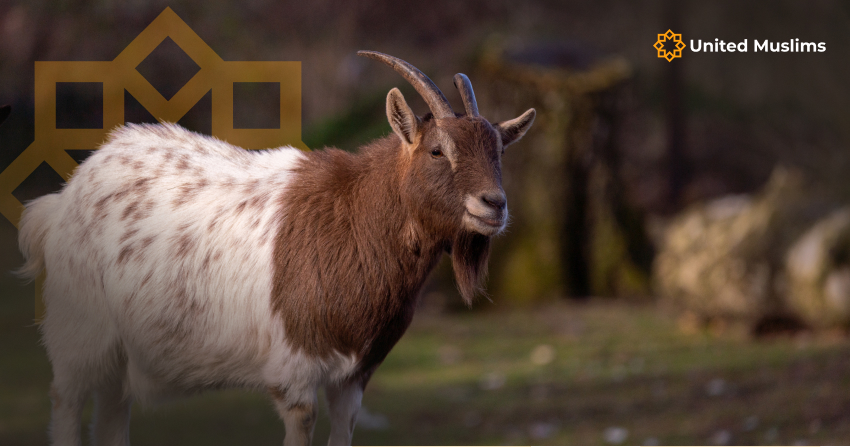
Allah accepted this honesty. Instead of Ismail (AS), Allah provided a ram to sacrifice. This instance became a symbol of sacrifice, obedience, and mercy. Every year, people celebrate it during Eid al-Adha.
We are asked to give up things in our lives, but not as much as Ibrahim (AS) did. Instead, we are asked to give to Allah’s cause. When we pay Zakat, support the poor, or give money to charity, we indicate that we care more about pleasing Allah than about our money.
Donate your zakat
Fulfil your obligation today – give Zakat and be a source of hope for those in need!
Leaving Everything Behind: The Migration for Faith
Another test came when Allah told Prophet Ibrahim (AS) to leave his home and move to another country. He left behind his people, goods, and comfort. He carried only his faith and trust in Allah’s promise.
This migration reminds us of the sacrifices many people make today for families in Palestine, Kenya, and Pakistan who are forced to leave everything behind. As Muslims in the UK, we can honour Prophet Ibrahim’s (AS) legacy by donating to a Palestinian charity, supporting refugees, and giving charity to rebuild lives.
Every act of kindness shows his spirit of sacrifice. We carry on his work of kindness by giving food, clean water, or education.
The Quran says:
“Who is it that would loan Allah a goodly loan so He may multiply it for him many times over?” – Surah Al-Baqarah (2:245)
Building the Ka’bah – A History of Togetherness and Giving
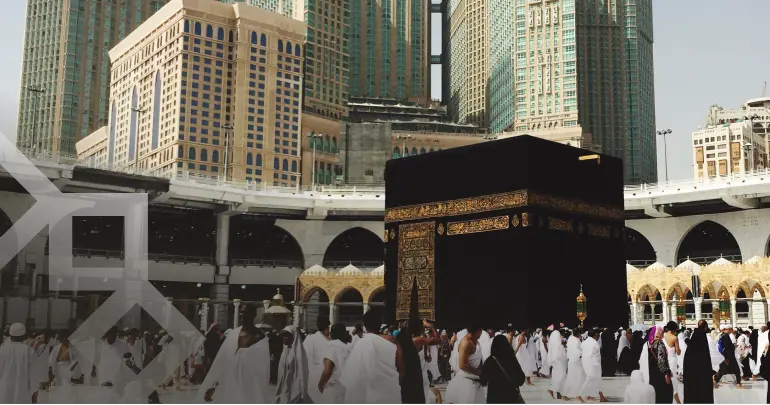
Allah appointed Prophet Ibrahim (AS) and his son Ismail (AS) to build the Ka’bah, which is the holy House of Allah in Makkah. They worked together with pure hearts and put down the first stone.
The Quran says:
“And when Abraham and Ishmael were raising the foundations of the House, they prayed, ‘Our Lord, accept [this] from us. Indeed, You are the Hearing, the Knowing.’” – Surah Al-Baqarah (2:127)
This wasn’t just about creating a building; it was about making a place where everyone could worship. It symbolised unity, faith, and continuous reward, just like Sadaqah Jariyah, which benefits people long after we are gone.
When we give money to build wells, sponsor a child, or help with education, we have the same goal. Every donation for Palestine, every Zakat contribution, and every act of giving in charity helps build a better world that stands as a house of faith and hope.
The Spirit of Charity and Generosity
People knew that Prophet Ibrahim (AS) had a kind heart. He never ate alone and always had others over to eat with him. His kindness wasn’t only about money; it extended to his time, hospitality, and compassion.
This reflects the true meaning of giving. Charity is not only about money; it’s also about helping others, giving food, and supporting global charity projects that change lives.
The Prophet Muhammad (PBUH) said:
“Charity does not decrease wealth.” (Sahih Muslim)
Giving makes our hearts cleaner and gives us greater rewards. Giving charity makes us closer to Allah and to the people around us.
Carrying Prophet Ibrahim’s (AS) Legacy Today
As Muslims, we have a lot of chances to live by Prophet Ibrahim’s (AS) example. Through Zakat, Sadaqah, and charity appeals, we can help families who face hunger, displacement, and hardship.
United Muslims continues this legacy through various projects, like providing clean water, sharing, and supporting families in Palestine and across the world. With a 100% donation policy, every contribution goes directly to those who need it most.
Giving to charity is like the way Prophet Ibrahim (AS) lived his life: he was willing to give up things for others. You become part of a story that began with faith and continues through acts of kindness.
How You Can Give
Here are a few important ways to honour Prophet Ibrahim’s (AS) example through charity:
Donate Zakat:
Fulfil your obligation by giving 2.5% of your wealth to those in need. Zakat cleans up your money and ensures that it is shared properly among Muslims. United Muslims makes this easy through our Zakat calculator and 100% donation policy, so your contribution reaches those who truly need it.
Support a Palestine Charity:
Families in Palestine continue to face immense issues. Many live without access to food, medical care, or secure shelter. Your donation for Palestine can help deliver emergency relief, rebuild homes, and provide clean water for families trying to survive amid hardship.
Bringing hope through small acts of kindness—a meal, a helping hand, or a gift can light up a child’s day.
Distribute Food:
Giving food is one of the best ways to help others. You can donate food or sponsor daily meals for orphans, widows, and displaced families. A single meal can bring warmth, dignity, and hope to someone fasting or going hungry.
Give Water Charity:
Water gives life. When you give money to clean water charities, you help develop wells and filtration systems that give whole communities safe, long-lasting access to clean water. It’s a form of Sadaqah Jariyah, which is a type of charity that helps people even after the donation is given.
Help Through Global Charity:
Show your kindness to others all over the world. Your global charity donations can fund education, provide healthcare, and support sustainable livelihoods for those living in poverty or conflict zones. Every pound you give helps restore dignity and opportunity.
Each act of giving is a step closer to Allah. Whether it’s Zakat, a donation for Palestine, or a contribution to a water project, your kindness is just as sincere as Prophet Ibrahim’s (AS) acts of faith and sacrifice.
A Call to Reflect and Give
The life of Prophet Ibrahim (AS) shows us that faith is more than just saying things. It’s about giving, trusting, and making sacrifices. Every sincere donation has the same spirit of his dedication.
The Quran says,
“The most beloved deeds to Allah are those consistent, even if small.”
Giving brings us closer to Allah and offers various benefits.
We want you to follow the example of Prophet Ibrahim at United Muslims. If we all work together, we can give hope and kindness to the people who need it the most.
Final Thoughts
Prophet Ibrahim (AS) taught us that true faith shines when we have to give up something. His journey wasn’t just about tests; it was also about putting faith into action. We follow in his footsteps when we give to charity and help the poor.
