
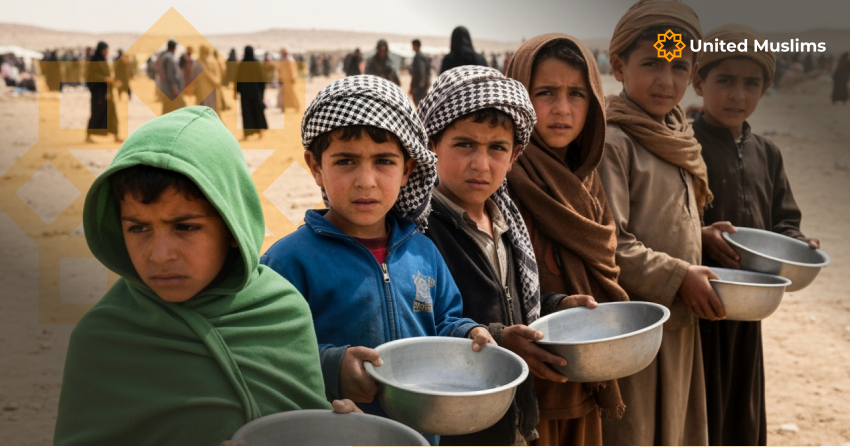
Kindness is not only something you do in Islam; it’s a way of life. Muslims are taught by the Prophet Muhammad (PBUH) to be kind and generous. One of his most important teachings is that we should help those in need and feed the hungry. These lessons are still important today, despite poverty and hardship. They encourage Muslims in the UK and around the world to give to charity, pay Zakat, and help those less fortunate.
United Muslims closely follows these values by encouraging people to give to charity and make a difference. This can help local families in need or global causes such as the Palestine charity appeals.
Feeding the Hungry – A Path to Mercy
The Prophet (PBUH) said:
“He is not a believer whose stomach is filled while his neighbour goes hungry.” (Sahih Bukhari)
This simple but strong message reminds us that being kind and religious go hand in hand. You actually believe what you do, not what you say. Feeding the hungry is one of the most honoured deeds in Islam, an act that brings both reward and mercy.
In the UK, donating food has become a growing way for Muslims to live out this sunnah. Many mosques, community centres, and charitable organisations collect food to donate. They ensure that families who are struggling can enjoy a warm meal. These acts of generosity, like food banks and Ramadan iftar programmes, are very much in line with the spirit of Islam.
When you provide food to people in need, you are not only feeding a person’s body but also restoring their dignity and hope.
The Prophet’s (PBUH) Example of Giving
The Prophet (PBUH) led a simple life. He was the most generous person ever since he gave away everything he had to help others. Even when he had little, he shared with those around him.
He once said:
“The most beloved of people to Allah are those who are most beneficial to people.” (Al-Mu’jam Al-Awsat)
His compassion was for everyone: the poor, the orphaned, the traveller, and the sick. He taught that giving doesn’t have to be money. Even a smile or a kind word counts as an act of charity.
These lessons remind us that giving to charity isn’t just about being honest and giving a lot of money. Each small act, like helping a neighbour or giving Zakat, matters in the sight of Allah.
Also Read: The Prophet’s (PBUH) Example of Generosity and Charity
Donate your zakat
Fulfil your obligation today – give Zakat and be a source of hope for those in need!
The Power of Zakat and Sadaqah
Zakat is one of the five pillars of Islam. It is a duty that cleanses money and helps people who need it. The Quran says:
“And establish prayer and give Zakat, and whatever good you put forward for yourselves – you will find it with Allah.” – Surah Al-Baqarah (2:110)
Muslims in the UK still do this great thing through trusted sources like United Muslims, where you can give your Zakat and be sure that it goes to people who really need it. Through Zakat campaigns, your contribution helps provide food, clean water, education, and shelter.
Sadaqah, on the other hand, is a voluntary act of giving. It could be donating to a charity, helping a Palestinian charity appeal, or supporting a water charity that provides clean water in areas affected by drought. Every donation brings blessings and helps ease someone’s hardship.
Helping the Poor: A Sign of Faith
The Prophet (PBUH) told Muslims to care much for the poor and the needy. He said:
“The one who looks after a widow or a poor person is like a warrior fighting for Allah’s cause.” (Sahih Bukhari)
This powerful teaching shows that helping charity work and caring for the less fortunate is an act of worship. Giving to charity is like following the Prophet (PBUH).
Many Muslims in the UK help with charitable projects, like supporting food banks and raising funds for Palestine charity appeals. These actions of kindness bring people together and show how much Islam cares.
Giving to International Causes
Islam says you should help not only the people around you, but also people worldwide. The Prophet (PBUH) said:
“The believers are like one body; if one part suffers, the whole body responds with pain.” (Sahih Muslim)
This Hadith perfectly reflects why Muslims support global charity causes today. When we see the suffering in Palestine, we want to help. For example, donating to Palestine gives families food, water, and medical help.
You are living the Prophet’s (PBUH) message of helping others as an act of love and unity when you donate to a charity that assists these appeals. Helping the needy around the world is a reminder that Islam connects us beyond borders and backgrounds.
Charity That Changes Lives
Muslims give to charity to help people right away and make lasting changes. Sadaqah Jariyah is a charity that goes on and on. It can involve paying for clean water wells, aiding with school programmes, or giving them food.
These gifts keep helping people long after the first donation. The Prophet (PBUH) stated:
“When a person dies, all their deeds end except three: ongoing charity, beneficial knowledge, and a righteous child who prays for them.” (Sahih Muslim)
Every penny you give to charity is a gift that keeps giving, even after you die. It’s a gift of goodwill that will last forever.
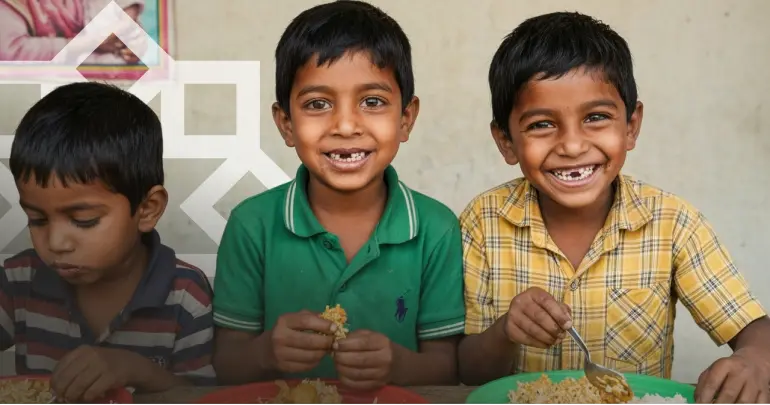
Bringing hope through small acts of kindness—a meal, a helping hand, or a gift can light up a child’s day.
Why is Giving Important
In today’s fast-paced world, it’s easy to forget about people having a hard time. But giving in charity reconnects us with what truly matters: humanity, compassion, and gratitude. It reminds us that Allah has given us our wealth and blessings, and we should share them.
You bring light into someone’s life when you offer Zakat, give charity, or support a water charity project. You help feed families, educate children, and provide clean water. These things are very good for the soul and exhibit the mercy that Islam teaches.
How You Can Help
Donating to charity today can make a difference. Giving a little food, a monthly Zakat contribution, or money to a Palestinian charity appeal could improve someone’s life.
Here are a few simple ways to start:
- Donate your Zakat through trusted platforms such as United Muslims.
- Give in charity regularly, even if it’s a small amount.
- Helped with global charity efforts in Palestine, Kenya, and Pakistan.
- Contribute to water charity projects that provide clean drinking water.
- Share awareness within your community to encourage others to donate to charity.
Conclusion
The teachings of the Prophet Muhammad (PBUH) encourage Muslims worldwide to give, share, and care. Feeding the hungry and supporting the needy are not just charitable acts; they are acts of worship, love, and faith.
You can bring relief to families, hope to communities, and reward to your soul through giving.
