
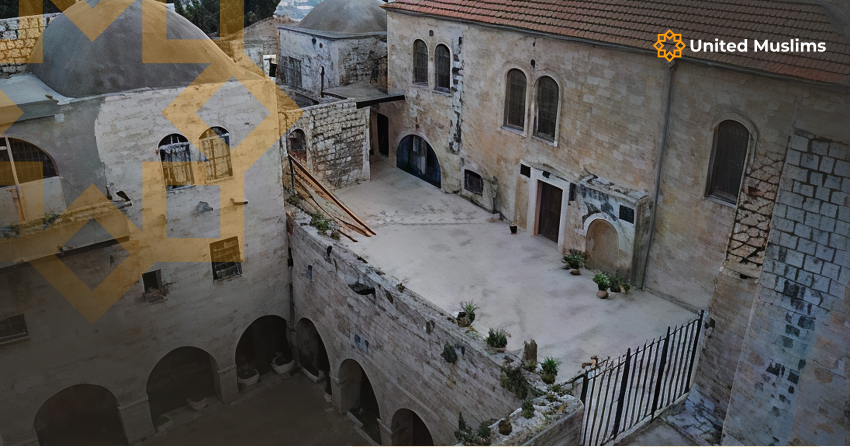
Prophet Dawud (AS) is one of the most important figures in history. He was a prophet, a king, and a very wise man. He held both worldly authority and divine guidance. This rare combination teaches us something that will always be true: in Islam, justice and compassion are deeply connected. They are two sides of the same coin.
True justice comes from a compassionate heart, and sincere giving must be guided by fairness. The life of Dawud (AS) beautifully reflects this balance. He shows us that charity is not only about wealth; it is about integrity, action, and humility.
For anyone wishing to donate to charity, give Zakat, or support a global charity, his example offers a lesson in purpose and sincerity. Charity becomes more than a kind gesture; it becomes a reflection of faith, accountability, and divine justice.
The Story of Prophet Dawud (AS) and How He Got His Divine Wisdom
Allah granted Dawud (AS) a powerful position and wisdom. The Quran says,
“ O David, indeed We have made you a successor upon the earth, so judge between the people in truth.” – Surah Sad (38:26)
This command changed his entire mission. He had a divine duty to act fairly in all things because of his understanding.
One famous story tells of two men who came to Dawud (AS) with a dispute. One said, “This, my brother, has ninety-nine ewes, and I have one. He now demands that I give it to him.” Dawud (AS) recognised this as a test of fairness and a reminder that power must never overshadow justice.
He ruled in favour of the man with one ewe, protecting him from being treated unfairly. Dawud (AS) later turned to Allah in humility and remorse after recognising the deeper lesson in this judgement. This act of thinking reveals that he was a wonderful leader who was strong in justice but humble before God.
The story carries a powerful message for today’s helping charities in the UK. A true leader must find a balance between being in charge and being responsible. The act of giving in charity is more than just providing money. It includes standing for truth, fairness, and compassion for those who cannot speak for themselves.
Donate your zakat
Fulfil your obligation today – give Zakat and be a source of hope for those in need!
Justice as a Form of Charity
Many people associate charity with financial giving, such as Zakat, Sadaqah, or donations for Palestine. The life of Dawud (AS) shows us that being fair is a form of kindness.
A fair judgment, a kind word, or an honest action can be just as valuable as a financial gift. Justice protects the weak, limits wrongdoing, and builds trust in society. One good deed can lead to a lot of other good things.
Prophet Muhammad (PBUH) stated:
“ Every joint of a person must perform a charity each day… to act justly between two people is a charity.” (Sahih al-Bukhari)
This hadith connects the legacy of Dawud (AS) to our daily life. Speaking truthfully, treating others fairly, and making ethical choices are all acts of charity.
Giving money to charity is not the only thing we do. It is about doing so with fairness, sincerity, and accountability. Giving to charity should make sure that the help really gets to the people who need it the most
For example, a donation for Palestine should not just provide temporary relief but also restore dignity and opportunity. This is where justice and kindness come together, which is the essence of Dawud’s (AS) wisdom.
Lessons from Prophet Dawud (AS) for Today
Dawud (AS) shows us that having power is not the same as owning it. You should try to help others in every position, like business, leadership, or community service.
In today’s world, that could mean paying workers fairly, treating them with respect, or standing up for people who are being treated unfairly. It could also mean using your influence to promote fairness in society.
The same principle applies to every charitable organisation. Collecting funds is not enough. How those funds are distributed defines the true spirit of charity.
The message is clear for Muslims who are figuring out how much Zakat to give or getting ready to give it: giving should protect dignity, not make people dependent. When you give Zakat, aim to empower individuals to become self-reliant. This is how Dawud’s (AS) divine wisdom lives on today through charity that uplifts, not charity that maintains need.
Charity as a Path to Social Justice
Charity in Islam builds fairness and balance. Zakat is not only generosity. It is a pillar of justice. It ensures that wealth circulates and that no one is left behind.
Both Zakat and Sadaqah strengthen communities by funding education, healthcare, and livelihoods. They open doors to opportunity and hope.
Think of what happens when we donate food, sponsor education, or provide clean water. Each act restores fairness, the same fairness Dawud (AS) embodied. A water charity that offers clean access does not just meet a need; it restores equality and preserves life.
Similarly, a Palestinian charity that funds schools or food aid helps rebuild futures with dignity. When we give charity with sincerity and justice in mind, every act becomes a step toward social harmony.
Also Read: The Prophet’s (PBUH) Example of Generosity and Charity
How United Muslims Promotes Justice through Charity
At United Muslims, we strive to turn Dawud’s (AS) timeless lessons into daily action. With our 100% donation policy, every penny you donate goes directly to those in need, not to administrative costs. This ensures complete fairness and transparency.
Our projects reflect this same commitment to justice. Every water charity project is planned with local communities to ensure fair access. Our education programme prioritise children who have been excluded for years. Moreover, our emergency appeals, such as our Palestine charity and global charity projects, reach widows, orphans, and displaced families first.
When you donate to the charity or give your Zakat, you are not just giving. You are rebuilding lives with integrity. You are helping create balance, hope, and opportunity.
For Muslims across the UK seeking to fulfil their Zakat obligation, United Muslims offers a trusted path rooted in the values of justice and mercy.
Bringing hope through small acts of kindness—a meal, a helping hand, or a gift can light up a child’s day.
Following the Example of Prophet Dawud (AS)
Prophet Dawud (AS) informs us that faith and justice walk hand in hand. Justice and compassion cannot exist without each other. A fair society is the highest form of charity, and a compassionate heart is its foundation.
To follow his example means being truthful, acting fairly, and giving with purpose. It means making sure that every deed, like giving food, health treatment, or shelter, is done with care and honesty.
When you donate to charity, you continue the legacy of prophets who spread hope through justice. The true measure of your giving is not its amount but the reason behind it. Fairness and faithfulness to Allah are what make your giving meaningful.
Continuing the Prophet’s (PBUH) Mission of Mercy
Prophet Dawud (AS) showed that being humble is the real sign of strength and that real charity is justice in action. He reminds us that our faith tells us to do the right thing, donate, help, and speak up for what is right.
Through its work, United Muslims continues this prophetic mission of mercy. Each donation you give, whether it is Zakat, Sadaqah, or a contribution for Palestine, carries the same message: compassion guided by justice.
The Quran says:
“ The example of those who spend their wealth in the cause of Allah is that of a grain that sprouts into seven ears, each bearing one hundred grains.” — Surah Al-Baqarah (2:261)
Your kindness can bring more good things to you and the people you give to. Let us give the UK charity a new meaning by reviving this spirit of fairness, humility, and faith.
