
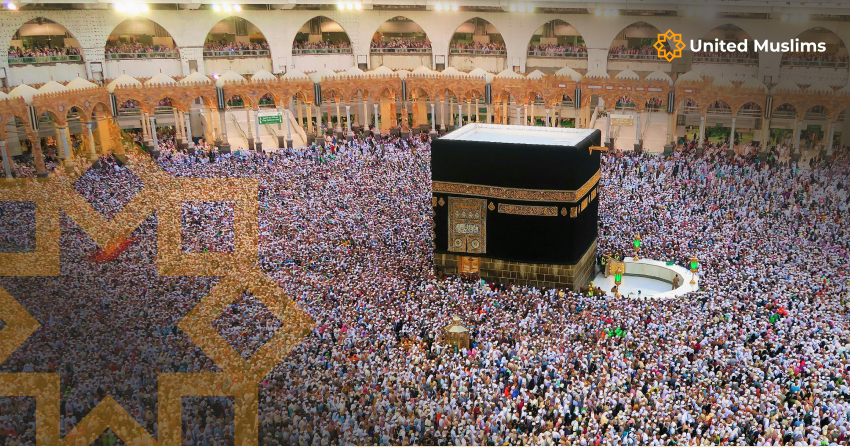
Hajj 2026 is getting closer, and many Muslims are getting ready for this important journey. While some people have already performed Umrah and are familiar with the basics, Hajj is a different experience altogether. Both pilgrimages take place in Saudi Arabia and involve acts of worship, but they differ in their rituals, timing, and level of obligation.
This guide shows you the differences in a simple way, which makes it easier to understand each journey.
What is Umrah?
Umrah is often called the “minor pilgrimage”, and can be performed at any time of the year. It is not obligatory, but it is very important for spiritual value. The journey is shorter and includes entering Ihram, performing Tawaf around the Kaaba, completing Sa’i between Safa and Marwah, and shaving or trimming the hair.
A lot of Muslims do Umrah more than once to ask for forgiveness and get closer to Allah. As mentioned in the Quran:
“And complete the Hajj and ‘umrah for Allah.” – Surah Al-Baqarah (2:196)
What is Hajj?
Hajj is one of the Five Pillars of Islam and is obligatory once in a lifetime for those who are able. It takes place only during specific days in Dhul Hijjah and involves a series of rituals performed over five to six days. These include standing at Arafat, staying in Mina and Muzdalifah, performing Rami, and offering Qurbani. Hajj requires more preparation and effort, both physically and spiritually.
The Quran states:
“And proclaim to the people the Hajj [pilgrimage]; they will come to you on foot and on every lean camel.” – Surah Al-Hajj (22:27)
The Prophet (PBUH) also said:
“And the reward of Hajj Mabrur (the one accepted by Allah) is nothing except Paradise.” (Sahih al-Bukhari 1773)
Hajj and Umrah: The Main Differences
At first, both journeys look very similar. You wear Ihram, perform Tawaf, and complete Sa’i. But once you go deeper, the differences become much more noticeable.
- Obligation: Hajj is mandatory once in a lifetime; Umrah is optional
- Timing: Hajj takes place during specific days in Dhul Hijjah, although Umrah can be performed anytime
- Duration: Hajj lasts about 5 to 6 days, but Umrah can be done in just a few hours
- Rituals: Hajj includes additional steps such as Arafat, Mina, and Rami; Umrah includes fewer rituals
- Cost: Hajj is generally more expensive due to fixed timing and demand; Umrah is usually more flexible and affordable
- Spiritual experience: Hajj is more intense and physically demanding; Umrah is shorter but still spiritually rewarding
- Frequency: Hajj is needed once a year, although Umrah can be performed multiple times
The Prophet (PBUH) said:
“(The performance of) `Umra is an expiation for the sins committed (between it and the previous one). And the reward of Hajj Mabrur (the one accepted by Allah) is nothing except Paradise.” (Sahih al-Bukhari 1773)
Donate your zakat
Fulfil your obligation today – give Zakat and be a source of hope for those in need!
Differences in Key Rituals: A Breakdown of the Steps
To really understand how Hajj differs from Umrah, it’s important to breakdown each key ritual step by step.
Ihram
Both Hajj and Umrah begin with Ihram. Pilgrims enter a state of purity and make their intention before crossing the Miqat.
In Umrah, this state lasts for a shorter time because the rituals are completed quickly. In Hajj, Ihram lasts several days and involves multiple stages, which require greater awareness and discipline.
Tawaf
Tawaf is performed in both journeys and involves circling the Kaaba seven times.
You do it once in Umrah. During Hajj, there are numerous types of Tawaf, including Tawaf al-Ifadah, Tawaf al-Qudum, and Tawaf al-Wida. This adds more layers to the Hajj experience than the Umrah.
Sa’i (Safa and Marwah)
Sa’i is another shared ritual. Pilgrims walk between Safa and Marwah seven times. As mentioned in the Quran:
“Indeed, as-Safa and al-Marwah are among the symbols of Allah.” – Surah Al-Baqarah (2:158
This is done right after Tawaf during Umrah. In Hajj, it depends on the type of Hajj being performed.
Standing at Arafat
This is where the biggest difference lies. Standing at Arafat is the core of Hajj. Without it, Hajj is not valid. Pilgrims spend the day in prayer, asking for forgiveness and making heartfelt duas.
The Prophet (PBUH) said:
“Hajj is Arafat.” (Jami` at-Tirmidhi 2975)
This ritual is not part of Umrah.
Mina and Muzdalifah
During Hajj, pilgrims go to Muzdalifah following Arafat, spend the night there, and pick up stones. Then they go to Mina, where they stay for a few days and keep doing the rites. These moments are not just part of the journey; they teach patience and simplicity. Sleeping under the open sky and being among millions of people reminds you of equality and unity.
Umrah does not include any rituals to be performed on these locations.
Rami (Stoning the Jamarat)
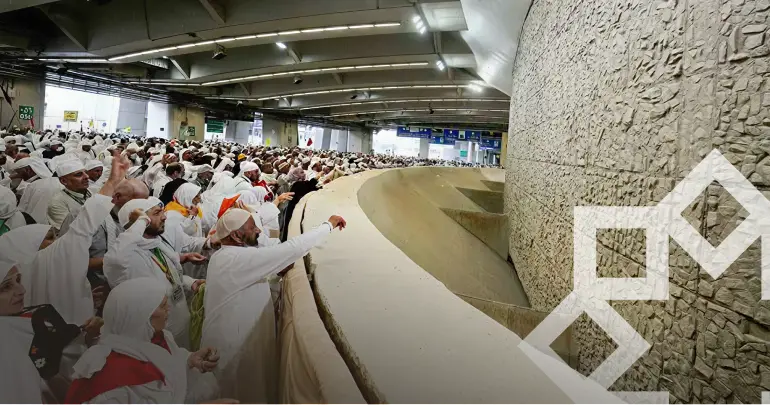
Rami is another ritual unique to Hajj. Pilgrims throw pebbles at the Jamarat over 3-4 days. It symbolises rejecting evil and following the path of Prophet Ibrahim (AS).
This step is not included in the Umrah ritual.
Qurbani (Sacrifice)
Qurbani is required for many pilgrims during Hajj. It is connected to the days of Eid al-Adha and shows sacrifice and obedience. The Quran says:
“Their meat will not reach Allah, nor will their blood, but what reaches Him is piety from you.” – Surah Al-Hajj (22:37)
This is not necessary for Umrah, but it can be done separately.
Also Read: How to Perform Qurbani Correctly: A Step-by-Step Guide
Shaving or Cutting Hair
Both journeys end with shaving or trimming the hair. In Umrah, this marks completion. In Hajj, it is part of a longer sequence and signals the gradual end of the pilgrimage.
Quick Comparison Table
Ritual | Hajj | Umrah |
Ihram Duration | 3 days | Few hours |
Tawaf | One | One |
Sa’i | Required | Required |
Arafat | Essential | Not included |
Mina & Muzdalifah | Required | Not included |
Rami | Required | Not included |
Qurbani | Required for eligible pilgrims | Not included |
Completion | 12th Zilhajj after Rami | Shaving or Trimming Head |
When is Hajj 2026?
Hajj falls during the month of Dhul Hijjah, the twelfth month in the Islamic calendar. It begins on the 8th of Dhul Hijjah and ends on the 13th of Dhul Hijjah. Hajj 2026 is expected to happen between May 25 and June 30, 2026, in the Gregorian calendar, depending on the lunar sighting.
The weather in Makkah during this time is usually hot, so preparation is important. Wearing light clothes, drinking enough water, and wearing comfortable shoes can make a great impact.
If you are planning ahead, it also helps to go through a complete preparation guide. Read our comprehensive Hajj checklist for pilgrims to see a thorough overview of everything you need to do.
Charity and Hajj
Hajj is not just about physical effort. It’s also a good opportunity to think about how you can help other people. A lot of people select this period to give Zakat and Sadaqah.
As mentioned in the Quran:
“And establish prayer and give zakah.” – Surah Al-Baqarah (2:110)
The Prophet (PBUH) said:
“Charity does not decrease wealth.” (Sahih Muslim)
Giving during this time supports families, provides clean water, and helps communities rebuild their lives. Trusted organisations, like United Muslims, make it easy for you to give to charity safely, so you can be sure your donations reach the people who need them most.
Take Away Message
Hajj and Umrah are both important ways to worship, yet they are not the same. Hajj takes more planning and has more rituals, whereas Umrah is shorter and more flexible. Understanding these differences helps you plan better and approach your journey with confidence. With the right preparation and intention, both journeys can leave a lasting effect on your faith.
Bringing hope through small acts of kindness—a meal, a helping hand, or a gift can light up a child’s day.
Frequently Asked Questions
What is the main difference between Hajj and Umrah?
The main difference is that Hajj is obligatory once in a lifetime for those who are able, while Umrah is voluntary. Hajj also includes additional rituals such as standing at Arafat and stoning the Jamarat, which are not part of Umrah.
When is Hajj 2026 expected to take place?
Hajj 2026 will take place during the Islamic month of Dhu al-Hijjah. The exact dates are expected to take place between 25th May 2026 and 30th June 2026. It depends on the moon sighting, so pilgrims should stay updated and prepare in advance.
How long does Hajj take compared to Umrah?
Hajj usually takes around five to six days, as it involves multiple locations and rituals. Umrah, however, can be completed within a few hours, making it much shorter and more flexible.
Can Umrah replace Hajj?
No. Umrah and Hajj are two separate acts of worship with different religious statuses. Hajj is one of the Five Pillars of Islam and remains obligatory for every capable Muslim regardless of how many times Umrah has been performed. One does not substitute for the other.
What are the three types of Hajj?
There are three forms of Hajj:
- Hajj Tamattu’: Umrah is performed first, Ihram is exited, then re-entered for Hajj. The most common type for international pilgrims. A sacrificial animal is required.
- Hajj Qiran: Umrah and Hajj are performed together without exiting Ihram between them. A sacrificial animal is required.
- Hajj Ifrad: Hajj only, with no Umrah combined. No sacrificial animal required. Most common for residents of Makkah.
Consult your scholar or tour guide to confirm which type applies to you before you travel.
Can Hajj and Umrah be performed in the same trip?
Yes. This is actually how most international pilgrims perform Hajj. In Hajj Tamattu’, the most widely performed type, the pilgrim completes Umrah first during Dhul Hijjah, exits Ihram, and then re-enters Ihram on the 8th of Dhul Hijjah for Hajj. Both are completed in a single journey to Makkah.
What happens if you miss the standing at Arafat during Hajj?
Your Hajj is invalid. The Prophet (PBUH) said: “Hajj is Arafat.” (Jami` at-Tirmidhi 2975). Missing this single ritual, even due to circumstances beyond your control, means the entire Hajj must be repeated in a future year. It is the one ritual in Hajj that cannot be compensated for by any other act.
