
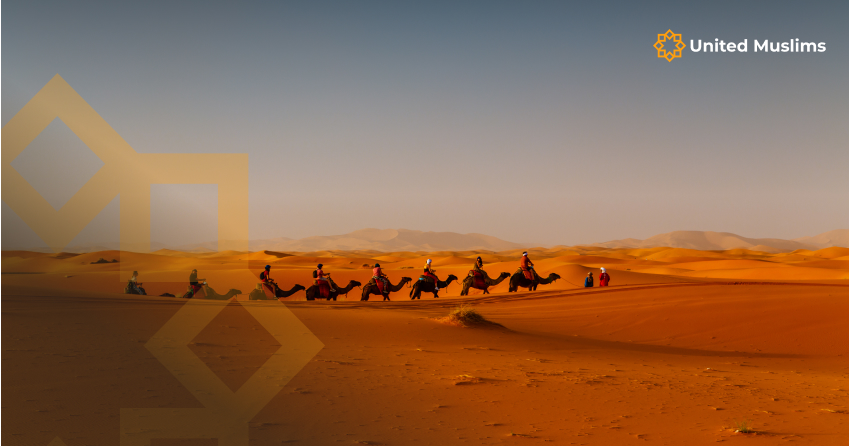
Fourteen centuries ago, on a barren plain in Iraq, a small group of men faced unimaginable odds, not for power or wealth, but for principle. The story of Karbala is not just history. It is a living invitation, asked of every Muslim each Muharram: what will you stand for? It is why Muharram 2026 carries such a quiet, heavy sense of reflection for millions of us. This is a sacred window for looking inward, a spiritual discipline of fasting in Muharram, and remembering the immense sacrifice of Imam Hussain (RA).
This time of remembering is a foundation for the day of Ashura, one of the most important days in the Islamic calendar. It is remembered every year on the 10th of Muharram, the final chapter of a journey that started with a lone stand for justice and culminated in a defining moment of sacrifice. In the end, it provides us an option to either allow the events of Karbala be a memory or let it affect our lives today.
The Beginning of Muharram: A Sacred Month
Muharram is one of the four sacred months in Islam. The Muharram 2026 is an opportunity for Muslims across to pray more, reflect on their aims and fast to become closer to Allah.
The Qur’an says:
“Indeed, the number of months ordained by Allah is twelve… of which four are sacred.” – Surah At-Tawbah (9:36)
The fasts of Muharram are among the most rewarded voluntary acts of worship during this period. As the days pass and the 10th Muharram approaches, the awareness of what this month truly represents grows stronger, both historically and spiritually.
Why Imam Hussain (RA) Left Madinah
Imam Hussain (RA), the grandson of Prophet Muhammad (PBUH), had to make a tough moral choice. The decision of Imam Hussain (RA) to leave Madinah did not come out of ease. It came from a firm understanding of good and evil. He chose not to agree when he was required to take a leadership position that did not reflect Islamic values.
This was a big decision. It meant leaving safety behind and facing an unknown future. Imam Hussain (RA) knew if he was silent he would be in agreement to something against the teachings of Islam. Even though it was not easy, he opted to stand up for what was right. He never meant any personal gain. It was about keeping the message of Islam safe and ensuring that it remained unchanged.
Also Read: The Life of Imam Hussain (RA): A True Example for Muslims
Donate your zakat
Fulfil your obligation today – give Zakat and be a source of hope for those in need!
The Journey Towards Karbala Before the Day of Ashura
It was clear that the journey to Karbala would not be easy as it was in the beginning. Imam Hussain (RA) travelled with his family and few companions, with full knowledge of what was ahead. With each mile, the opposition became more real and what had begun hopefully began to fill with tension.
But there was no way of going back even knowing the risks. The journey itself was a reflection of strong belief and trust in Allah. It was a reminder that it’s not always easy to do what’s right, but it’s always necessary. This migration from Makkah was a deliberate effort to save the truth and to provide a model for every generation of Muslims to follow in the future.
Arrival at Karbala: The Days Before 10th Muharram
On the second of the month, the caravan was stopped and forced to stop at a deserted place called Karbala. The arrival was not a choice but a confrontation with destiny. Here, the vast military forces of the opposition (Yazid) began to circle the small camp to ensure that the Imam and his family were isolated from any potential support.
What used to be a travelling caravan turned into a camp of strength and perseverance. The geography of Karbala, hot, dry, and unforgiving, mirrored the cold reception from the political powers of the time. This part of the journey showed that the Imam’s job was never to find an easy way, but to stand firm exactly where justice required it.
The Days Leading to the 10th Muharram
Things got tougher as the 10th of Muharram is approaching. Imam Hussain (RA) and his companions were surrounded and faced severe hardships, like being deprived of water. These weren’t easy days; they tested both physical strength and emotional endurance.
Even under such circumstances, the focus remained on faith. Time was taken for prayer, reflection and preparation. There was calmness in their patience, even though the situation around them was really harsh.
The Day of Ashura: A Defining Moment
The day of Ashura is remembered as one of the most significant days in Islamic history. It was the end of a journey where seventy-two stood firm against thousands, not for worldly reward but for their commitment to truth and justice. The brothers, sons and faithful companions of the Imam fell one by one until the supreme martyrdom of Imam Hussain (RA). This sacrifice ensured that the principles of Islam: justice, mercy, and steadfastness, remained untainted by political corruption.
Today, we do not just mourn a historical event; we recognise it as a vivid demonstration of moral victory over physical might. Beyond its historical weight, the Prophet Muhammad (PBUH) highlighted the spiritual importance of this day through the practice of worship. He (PBUH) said:
“Fasting the day of ‘Ashura’, I hope, will expiate for the sins of the previous year.” (Sunan Ibn Majah 1738)
This is why fasting on Ashura is so important to the Ummah. It is not a ritualistic act but a conscious link to the events of Karbala and the values for which Imam Hussain (RA) stood.

What the Day of Ashura and Karbala Teach Us Today
The day of Ashura and the events of Karbala are not only part of history. They are a living example of how values are put to the test in real life. One of the most essential lessons that we learn on the 10th of Muharram is the importance of doing the right thing, even when it is hard.
Imam Hussain (RA) proved that patience is not weakness and sacrifice is not loss when it is done for the right cause. His actions remind believers that faith is shown in tough choices.
Honouring Muharram Through Worship and Charity
Many people want to find simple ways to make their acts more significant during Muharram 2026. While the fasts of Muharram hold deep spiritual reward, it also encourages people to think about others.
One of the most meaningful ways to honour this month is through giving, whether through Sadaqah for the sake of Allah, or by fulfilling your Zakat to those most in need. Just as fasting in Muharram reconnects us to our faith, giving reconnects us to our responsibility towards others, a value deeply rooted in the spirit of the day of Ashura.
Keeping the Spirit of Karbala Alive with United Muslims
The message of Karbala is not meant to remain in memory alone. Today, it should be lived through action. United Muslims works to carry this spirit forward by supporting vulnerable communities and responding to real needs with practical help.
We operate under a 100% donation policy; every contribution made during Muharram goes directly to those in need. That is our commitment to you and to Allah.
We believe that the lessons of sacrifice should lead to lasting change. We bring the spirit of this glorious day into our global relief activities by providing food, clean water and crucial medical treatment to people in great need.
Small actions make a difference. When you help those in need, you reflect the values of care and responsibility that Imam Hussain (RA) stood for. So, the message of Karbala remains alive.
Walking the Path of Truth This Muharram 2026
The journey of Imam Hussain (RA) from the start of Muharram to the day of Ashura is an excellent example of bravery and conviction. This is not just an old story; it is also a story about faith and doing what is right.
As the 10th Muharram is remembered, it is time to think about the personal choices, intentions and deeds. Standing for truth, showing patience, and helping others are the ways we carry this message forward in everyday life.
This Muharram 2026, turn your reflection into an action. Honour the legacy of Sayyiduna Hussain (RA) by standing with those families who require someone to stand with them.
Donate today, and carry the message of Karbala forward with your sacrifice.
Bringing hope through small acts of kindness—a meal, a helping hand, or a gift can light up a child’s day.
Frequently Asked Questions
What is the day of Ashura?
The day of Ashura falls on the 10th Muharram of the Islamic calendar. It is a day of immense historical and spiritual significance, marking the martyrdom of Imam Hussain (RA) in Karbala and observed by Muslims worldwide through fasting and reflection.
Why is fasting in Muharram recommended?
The Prophet Muhammad (PBUH) encouraged fasting in Muharram, particularly on the day of Ashura. As recorded in Sunan Ibn Majah, fasting on this day is hoped to expiate the sins of the previous year, making it one of the most rewarding voluntary fasts in Islam.
What is the significance of the 10th Muharram?
The 10th Muharram is the day on which Imam Hussain (RA) and his companions were martyred in Karbala. It serves as an annual reminder of the sacrifice made to preserve the values of justice and truth in Islam.
How can Muslims observe Muharram 2026 meaningfully?
Muslims can observe Muharram 2026 through fasting in Muharram, increased prayer and reflection, learning about the events of Karbala, giving Muslim Zakat and Sadaqah, and supporting those in need in honour of the values Imam Hussain (RA) stood for.
