
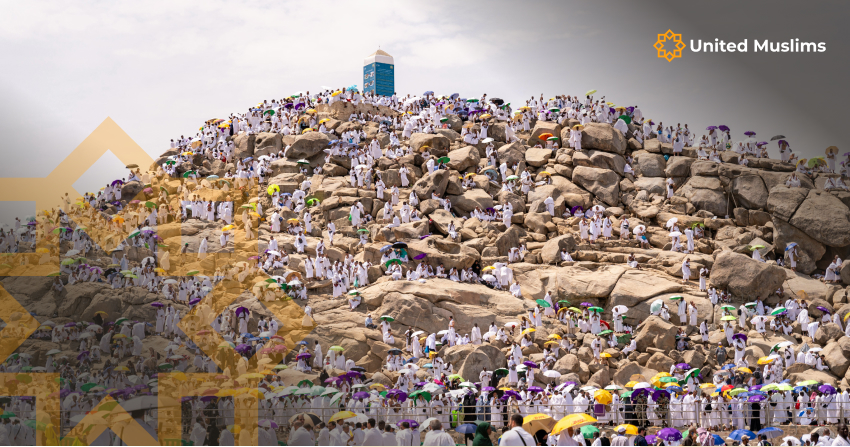
“O people, listen carefully to what I say.” Those were the opening words of the Prophet Muhammad (PBUH) on the day of Arafah. He had climbed a camel on the Plain of Arafah, the pinnacle of Hajj, and addressed over 100,000 Muslims for the last time.
What followed in the next few minutes became the moral backbone of an entire civilisation. With Hajj 2026 approaching and Arafah Day, 9 Dhul Hijjah, expected on 26 May, this sermon deserves more than a passing mention.
The Lessons From The Last Sermon (Khutbah Al-Wada)
The Prophet (PBUH) utilised the sacredness of the time and place to cement principles that challenge inequality, exploitation, and injustice in society. By examining the “Last Sermon” through the lens of its core lessons, we find a roadmap for a society built on moral integrity rather than material power.
Human Equality Is Non-Negotiable
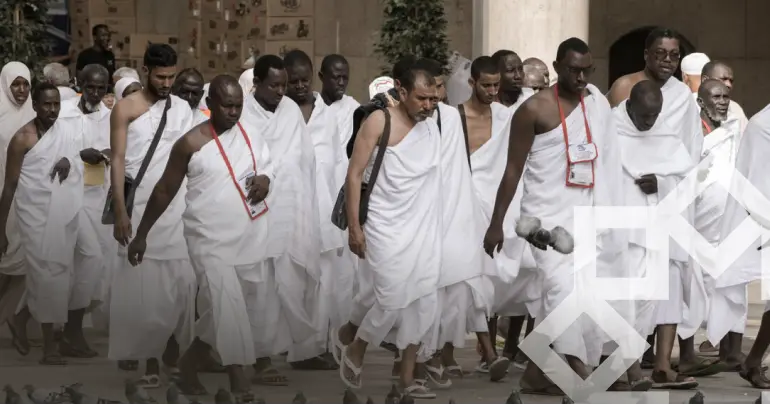
The Prophet (PBUH) dismantled racial and tribal hierarchy in a single address. Today, Muslims face divisions along ethnic, national, and sectarian lines. Arafah Day is a confrontation with that reality. Prophet Muhammad (PBUH) said;
يَا أَيُّهَا النَّاسُ، إِنَّ رَبَّكُمْ وَاحِدٌ، وَإِنَّ أَبَاكُمْ وَاحِدٌ، أَلَا لَا فَضْلَ لِعَرَبِيٍّ عَلَى أَعْجَمِيٍّ، وَلَا لِأَعْجَمِيٍّ عَلَى عَرَبِيٍّ، وَلَا لأَحْمَرَ عَلَى أَسْوَدَ، وَلَا أَسْوَدَ عَلَى أَحْمَرَ، إِلَّا بِالتَّقْوَى.
“O, people! Your Lord is one, and your father is one. There is no superiority of an Arab over a non‑Arab, nor of a non‑Arab over an Arab; nor of a light‑skinned person over a dark‑skinned person, nor of a dark‑skinned person over a light‑skinned person, except through righteousness (taqwa).”
In a world currently fractured by identity politics and rising social tensions, the Prophet’s (PBUH) declaration that no person is better than another based on race or lineage is a grounding truth.
Rights Are Obligations, Not Preferences
He did not suggest that people respect others’ rights. He commanded the rights of women, the rights of the vulnerable, and the rights tied to contracts and trust. Fulfilling these duties through donations is an act of worship that upholds justice and compassion in society
Unity Requires Active Effort
The sermon addressed a community that had recently known tribal warfare. The Prophet (PBUH) pointed them towards a shared identity rooted in faith. The same call applies now within families, communities, and the global Muslim ummah.
At United Muslims, we see this principle in action every time someone reaches out for support. We directly channel donations to areas in need, from Kenya to Gaza, ensuring that every contribution aligns with the teachings of the Prophet (PBUH). See our projects in action and understand how your support changes lives around the world.
Donate your zakat
Fulfil your obligation today – give Zakat and be a source of hope for those in need!
Navigating Wealth with Integrity
Prophet Muhammad (PBUH) didn’t shy away from the practicalities of money, either. The abolition of Interest (Riba) and the emphasis on the sanctity of property were central themes of the sermon, where He said;
وَإِنَّ كُلَّ رِبًا مَوْضُوعٌ، وَلَكِنْ لَكُمْ رُءُوسُ أَمْوَالِكُمْ، لَا تَظْلِمُونَ وَلَا تُظْلَمُونَ”
And all interest [Riba] is abolished, but you have your capital. Do not wrong, and you shall not be wronged.
For Muslims in the UK, donating income earned from unavoidable interest (Riba) to charity allows them to purify their wealth in line with Prophet Muhammad’s (PBUH) teachings. Platforms like United Muslims make it easy to redirect Riba income toward meaningful causes.
Accountability Is Personal
Prophet Muhammad (PBUH) told the companions:
“You will meet your Lord, and He will question you about your deeds.”
This indicates that no tribe, no leader, no group absorbs that individually. Each person stands for themselves, and everyone should carefully fulfil their obligations, such as Zakat, Qurbani, and Fidya, and align their actions with faith.
Hajj Guidance Inspired by the Last Sermon
Hajj isn’t merely a collection of rituals; it’s a chance to put into practice the enduring lessons from the Prophet’s (PBUH) Farewell Sermon. Embracing humility during Tawaf and Sa’i, exercising patience amidst the throngs, and showing kindness to fellow pilgrims are all ways to live out the sermon’s message of equality and unity.
Also Read: How Hajj Strengthens the Muslim Ummah
Dua for Day of Arafah
The Day of Arafah is a unique opportunity for supplication, forgiveness, and spiritual renewal. It is narrated that the Prophet Muhammad (PBUH) emphasised the power of prayers on this day, especially for those not performing Hajj.
The word Arafah means “to know”, and what better way to know our Lord than through the dua taught by His beloved Prophet Muhammad (PBUH)
لَا إِلَهَ إِلَّا اللهُ ، وَحْدَهُ لَا شَرِيكَ لَهُ ، لَهُ الْمُلْكُ وَلَهُ الْحَمْدُ ، وهُوَ عَلَى كُلِّ شَيْءٍ قَدِيرٌ
“None has the right to be worshipped except Allah, alone, without partner, to Him belongs dominion and praise, and He is over all things omnipotent.”
Reciting this Dua repeatedly, combined with acts of charity, can transform this single day into a profound moment of spiritual cleansing and renewal.
Final Thoughts
Arafah Day is not sentimentality. It is the day Allah declared the religion complete, the day the Prophet (PBUH) delivered the clearest summary of what Islam asks of human beings.
The message from 1400 years ago has not aged. Equality, justice, accountability, and sincere dua during the Hajj season are the opportunities to stop knowing these things and start doing them. It reminds us that our strength lies in a shared responsibility to uphold justice and support one another. Today, by honouring the sermon’s call to help those in need and purify our wealth, we strengthen the bonds of our global community.
Bringing hope through small acts of kindness—a meal, a helping hand, or a gift can light up a child’s day.
Frequently Asked Questions
What is the Day of Arafah?
The Day of Arafah is the 9th of Dhul-Hijjah and the most important day of Hajj, when pilgrims gather at Arafat for prayer and forgiveness.
How many Hajj did Prophet Muhammad (PBUH) perform?
Prophet Muhammad (PBUH) performed one Hajj, known as the Farewell Hajj in the 10th year of Hijrah.
When is Hajj 2026?
Hajj 2026 is expected to take place from 25 May to 30 May 2026, with the Day of Arafah on 26 May, depending on the sighting of the moon.
What did Prophet Muhammad (PBUH) say in the Last Sermon?
He emphasised equality, justice, unity, and the prohibition of interest (riba), stating that all people are equal except in righteousness.
