
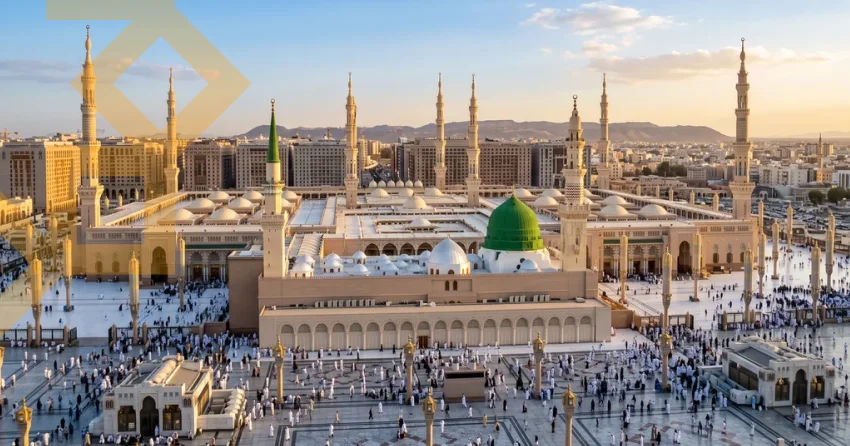
Some legacies belong to the past, quietly preserved in history books. Others remain vibrantly alive, continuing to guide millions of hearts through changing times. The life of Prophet Muhammad (PBUH) is one such enduring legacy.
The Seerah of Prophet Muhammad (PBUH) goes well beyond a historical timeline. It reveals the personal journey of a leader who personified the values of Islam through deep patience, honesty, compassion, and reliance on Allah. To explore his life today is to find a practical blueprint for character, resilience, and faith in the modern world.
How the Seerah of Prophet Muhammad (PBUH) Guides Modern Life
Long before he became a Prophet, Muhammad (PBUH) was already known across Makkah for his honesty. People called him Al-Ameen, meaning the trustworthy one. He earned that name slowly, through years of keeping his word and dealing fairly with everyone around him.
That trust didn’t fade when life got harder. Once he began sharing the message of Islam, much of Makkah turned against him. Even then, his character stayed the same. He remained patient. He spoke kindly. He kept treating people fairly, even those who rejected him.
Allah says in the Quran:
That’s why Muslims keep coming back to his life, generation after generation. His example shows that real faith isn’t just spoken. It’s lived out, day after day.
The core Seerah lessons for Muslims aren’t static history; they are practical guides for daily life:
- Parents learn gentleness and patience with children.
- Leaders model fairness, humility, and service.
- Communities practice active care for the vulnerable.
Ultimately, studying his life is meant to move us beyond knowledge into daily action.
Donate your zakat
Fulfil your obligation today – give Zakat and be a source of hope for those in need!
Prophet Muhammad (PBUH) Life Story: Faith Through Hardship
Hardship followed the Prophet (PBUH) throughout his life, testing him both personally and as a community leader. Understanding the Prophet Muhammad (PBUH) life story reveals how deep trial can be transformed into lasting resilience.
In early Makkah, he endured intense social persecution alongside profound personal grief, including the Year of Sorrow, when he lost his beloved wife Khadijah (RA) and his supportive uncle Abu Talib. Soon after, when he sought refuge and support in Ta’if, he was violently rejected. Yet, rather than responding with anger or asking for retribution, he simply prayed for their guidance.
When he migrated to Madinah, that personal resilience (Sabr) became the foundation for his leadership. He built a thriving community where people looked after one another, disagreements were settled with justice, and individuals from all backgrounds lived side by side. He led not from a place of distant power, but through humble service, patience, and absolute trust in Allah.
Allah says:
His life proves that hardship is not meant to harden our hearts, but to draw us closer to Allah and strengthen our service to humanity.
Prophet Muhammad (PBUH) Teachings on Character
One of the most powerful teachings of Prophet Muhammad (PBUH) was about character. He taught that a person’s worth has nothing to do with wealth or status. It comes from their faith and how they treat others.
He said:
“The best among you are those who have the best manners and character.”
That teaching still holds true today. Good character shows in how we speak to our families, how we treat our neighbours, and how we behave when things don’t go our way. For the Prophet (PBUH), faith and kindness were never separate. A true connection with Allah always showed up in how he treated the people around him.
The Kindness of Prophet Muhammad (PBUH)
The kindness of Prophet Muhammad (PBUH) showed up in the small, everyday moments just as much as the big ones. He was gentle with children, visited people who were unwell, welcomed invitations from anyone regardless of their background, and cared for those who had little. He noticed how people felt, and it shaped the way he treated them.
There’s a well-known story about him shortening his prayer after hearing a child crying, simply because he knew the child’s mother would be worried.
One of the clearest examples of his mercy came years later, when he returned to Makkah, the very city that had once driven him out. The people who had once persecuted him stood before him, expecting punishment. Instead, he forgave them.
He said:
“The merciful are shown mercy by Ar-Rahman. Be merciful on the earth, and you will be shown mercy from Who is above the heavens.”
His mercy wasn’t only for the people close to him. It reached strangers, neighbours, and all of creation. Today, we carry that same spirit forward by extending help to those we may never meet. By supporting a reliable charitable organisation, like United Muslims, we can reach communities whose struggles we haven’t seen firsthand. It becomes a powerful way to show tangible mercy, turning empathy into real relief for vulnerable families across the globe.
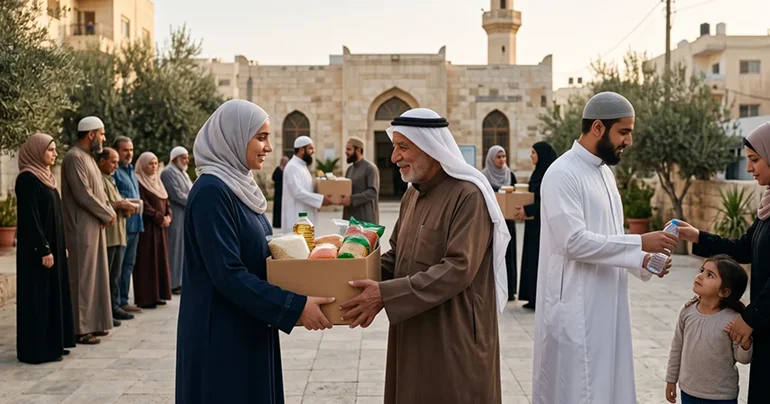
Continuing the Prophetic Tradition Through Charity
Caring for others was at the heart of the Prophet’s life. He encouraged Muslims to support anyone going through hardship, and he reminded them that giving brings its own reward from Allah.
He said:
“Charity does not decrease wealth.”
At United Muslims, we carry that tradition forward by translating his values of compassion and mercy into real-world action. A Sadaqah donation is one simple way to follow his example today. It might mean providing food, clean water, education or emergency support to vulnerable communities facing hardship.
Giving sadaqah isn’t only about helping those in need. It purifies our wealth, strengthens our communities, and brings us closer to Allah by honouring the legacy taught by Prophet Muhammad (PBUH).
A Legacy Worth Living Out
The Seerah of Prophet Muhammad (PBUH) gives Muslims something to hold onto. A real example of how to live with faith, patience, and compassion. His life shows us that true strength is found in kindness, forgiveness, and complete trust in Allah.
By following his example, we can grow closer to our families, support the people around us, and give something meaningful back to our communities. United Muslims continues that same work through charitable projects rooted in these values.
Donate your sadaqah today and help bring essential support to vulnerable communities around the world, continuing the legacy of generosity and mercy taught by Prophet Muhammad (PBUH).
Bringing hope through small acts of kindness—a meal, a helping hand, or a gift can light up a child’s day.
Frequently Asked Questions
What is the Seerah of Prophet Muhammad (PBUH)?
The Seerah of Prophet Muhammad (PBUH) is the biography of the Prophet Muhammad (PBUH), covering his life, character, mission and leadership. It helps Muslims understand how he lived according to the teachings of the Quran and provides practical guidance for everyday life.
Why is the life of Prophet Muhammad (PBUH) important for Muslims?
The life of Prophet Muhammad (PBUH) serves as the best example of faith, patience, honesty and compassion. By studying his life, Muslims learn how to apply Islamic values in their worship, relationships, work and daily decisions.
What are the most important teachings of Prophet Muhammad (PBUH)?
The Prophet Muhammad (PBUH )’s teachings emphasise sincerity in worship, good character, justice, mercy, honesty and helping those in need. He encouraged Muslims to treat others with kindness and to live according to the guidance of the Quran and Sunnah.
What lessons can Muslims learn from the Seerah today?
The Seerah teaches Muslims the importance of patience during hardship, forgiveness, humility, generosity and trust in Allah. These timeless lessons help believers strengthen their faith while navigating the challenges of modern life.
How can following the Seerah encourage Muslims to give sadaqah?
The Prophet Muhammad (PBUH) was known for his generosity and encouraged believers to support those in need. Following his example inspires Muslims to give sadaqah, helping provide food, clean water, education and emergency relief while seeking the pleasure and reward of Allah.
