
Safar is the second month of the Islamic calendar and a time when many Muslims renew their commitment to worship, reflection, and charitable donations.
While some cultures historically associate Safar with superstition, Islam encourages believers to focus on positive actions such as prayer, remembrance of Allah, and making generous donations.
For this reason, many Muslims choose Safar month to make a Sadaqah donation and support those in need and strengthen their connection with Allah.
When Is Safar 1448 Hijri?
The month of Safar 1448 Hijri is expected to begin on or around Wednesday, July 15, 2026, and end in mid-August. The exact dates are subject to the sighting of the crescent moon in different regions. Muslims are encouraged to look beyond ancient cultural myths and focus on maximising their good deeds, renewing their Islamic New Year resolutions, and helping those in need.
The Meaning And Context Of Safar
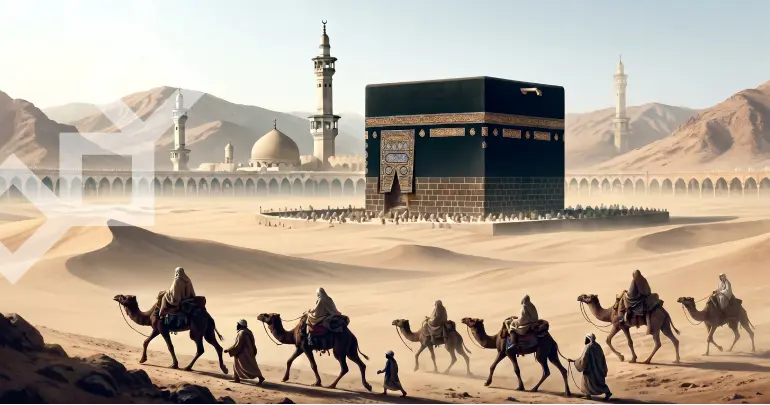
Safar in Arabic is derived from “sifr”, meaning “empty” or “void.” The Pre-Islamic Arabs named the month for this concept because it came directly after three consecutive sacred months (Dhu al-Qa’dah, Dhu al-Hijjah and Muharram) in which warfare and fighting were strictly forbidden. When the restrictions were removed, people left their homes in droves to travel, to trade, to look for food, to go on military expeditions.
Historically, the Arabs also called the months of Muharram and Safar “Safaran” (the two Safars). This is because of their association with the departure of the pilgrims following the Hajj, which left Mecca and its surrounding area empty.
Donate your zakat
Fulfil your obligation today – give Zakat and be a source of hope for those in need!
Major Historical Events In Safar Month
While Safar requires no specific ritual obligations, it holds profound significance as the backdrop to several defining moments in Islamic history:
- The Prophetic Hijrah (Migration): The Prophet Muhammad (SAW) and Hazrat Abu Bakr (R.A.) began their monumental migration to Madinah during Safar, an event so pivotal it marks the start of the Islamic calendar.
- The Victory of Khayber: In Safar 7 AH, the Prophet (SAW) led the Muslims to a decisive strategic triumph at Khayber, famously entrusting the battle standard to Hazrat Ali (R.A.).
- The Prophet’s Last Illness: On the 29th of Safar (11 AH), the Prophet (SAW) fell severely ill with the fever that initiated the final days of his life before his passing in Rabi’ al-Awwal.
- The Legacy of the Ahl al-Bayt: Historians note Safar as the month of martyrdom for the Prophet’s beloved grandson, Imam Hassan (AS), leaving a lasting legacy of patience, peace, and profound wisdom.
Why Muslims Give Sadaqah During Safar Month
Although there is no specific obligation to make Sadaqah donations during the month of Safar, many Muslims choose to increase their charitable giving as part of their broader commitment to faith, gratitude, and service to others.
Sadaqah is one of the most beloved acts of worship because it combines spiritual growth with practical assistance for those in need. The Prophet Muhammad (SAW) taught that Sadaqah can help protect against hardship and bring blessings into a person’s life.
بَادِرُوا بِالصَّدَقَةِ فَإِنَّ الْبَلَاءَ لَا يَتَخَطَّاهَا
“Give charity without delay, for it stands in the way of calamity.” (Mishkat al-Masabih 1887)
Some Muslims also use Safar month as an opportunity to make a Sadaqah payment or pay Kaffarah obligations that remain outstanding.
Dismantling Myths & Superstitions
Over time, some cultural traditions developed superstitions about the month of Safar, leading people to believe it was an unlucky time for marriage, business ventures, travel, or major life decisions. These beliefs have no basis in authentic Islamic teachings. The Prophet Muhammad (SAW) completely dismantled these groundless myths. In a famous narration, he clarified:
لاَ عَدْوَى وَلاَ طِيَرَةَ وَلاَ هَامَةَ وَلاَ صَفَرَ
“There is no superstition (al-`adwa), no evil omen, no bad luck in the owl (hamah), and no bad luck in the month of Safar.” (Sahih al-Bukhari 5707)
Rather than viewing Safar as a month to fear, Muslims can see it as another opportunity to strengthen their relationship with Allah, perform good deeds and continue the positive momentum established during the Islamic New Year.
Also Read: How Charity Protects You from Harm and Increases Blessings
How to Give Sadaqah and Maximise Your Blessings in Safar
The absolute best way to combat historical notions of “emptiness” or misfortune is to fill your days with active devotion. Cultivating consistent habits early in the Hijri year ensures your spiritual growth carries through the months ahead. If you are looking for impactful ways to transform your intentions into reality this month, United Muslims provides transparent pathways to support communities that are genuinely empty of resources:
Clean Water Donation: A Lifeline During Summer Heat
As Safar 1448 Hijri falls during the peak summer months in many parts of the world, access to clean water becomes an even greater challenge for vulnerable communities. A clean water donation can help provide safe drinking water, improve sanitation, and reduce the spread of waterborne illnesses.
In Islam, providing water is considered one of the most rewarding forms of charity. Many Muslims choose to support water projects as a form of Sadaqah Jariyah, a continuous charity that benefits people long after the initial donation.
Aqiqah Donation: Celebrating New Life During Safar
A common misconception about the month of Safar is that major events such as marriages, celebrations or family gatherings should be held only after a “more fortunate” time. But Islam does not believe in any unlucky month. The birth of a child is a blessing from Allah (SWT) whether it is in the month of Safar or any other month of the year.
For families who are welcoming a newborn during Safar 1448 Hijri, performing Aqiqah is a beautiful way to express thanks to Allah and celebrate new life. Muslims are encouraged to place their trust in Allah, embrace moments of happiness, and share those blessings with others by giving Aqiqah donations.
Pay Kaffarah and Fulfil Your Obligations This Safar
Safar is often considered a time to renew good habits. It can also be an ideal time for Muslims who still have Zakat or Kaffarah obligations to fulfil those duties and help those in need.
Safar can be a good time for those who have a Kaffarah obligation for failing to perform one of the rites of Hajj (Dam), or for purposely breaking any fasts during the holy month of Ramadan.
By paying Kaffarah through United Muslims, you directly empower us to deliver food, clean water, healthcare, and clothing to vulnerable communities worldwide. Explore our projects today and see how you can make a difference.
How To Make The Most Of Safar
Honour Safar month by turning reflection into action. This month, give sadaqah, multiply your good deeds through fasting, checking on neighbours and supporting those going through immense hardship. Every kind act that we do is a mighty tool of drawing closer to Allah and bringing blessings in our own lives.
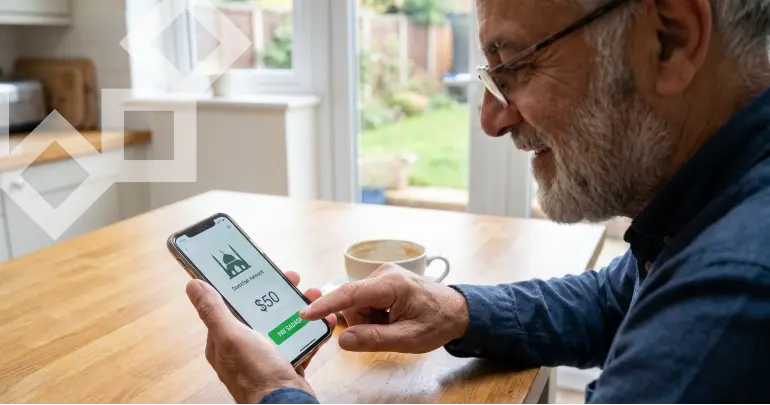
United Muslims makes it easy for you to support our clean water initiatives, child support programs, and other life-saving projects by accepting secure online donations in Pounds, Dollars, or cryptocurrency.
Bringing hope through small acts of kindness—a meal, a helping hand, or a gift can light up a child’s day.
Frequently Asked Questions
Is Safar a sad month?
No, Safar is not a sad or unlucky month in Islam. The Prophet Muhammad (SAW) rejected superstitions about Safar, and Muslims are encouraged to focus on worship, good deeds, and giving Sadaqah.
What month is Safar in 2026?
Safar 1448 Hijri is expected to run from around 15 July to 13 August 2026, depending on local moon sightings.
Is Safar month good for marriage?
Yes, Muslims can get married in Safar. There is no evidence in Islam that Safar is an unlucky month for marriage or other major life events. The Prophet Muhammad (SAW) rejected superstitions about Safar and encouraged Muslims to place their trust in Allah.
What should you do in the month of Safar?
During Safar, Muslims are encouraged to continue good habits such as prayer, dhikr, reading the Qur’an, giving Sadaqah, helping others, and strengthening their relationship with Allah. Islam does not teach that Safar is an unlucky month, so it should be approached like any other month of worship and good deeds.
How much Sadaqah should I give monthly?
There is no fixed amount for Sadaqah. You can give whatever you can afford, whether that is a small monthly donation or a larger contribution. The most rewarding charity is often that which is given sincerely and consistently, even if the amount is small.
How can I pay Sadaqah online in the UK?
You can pay Sadaqah online in the UK through trusted Islamic charities like United Muslims that support causes such as clean water, food aid, orphan care, and emergency relief. Online donations make it easy to give Sadaqah quickly and securely while helping vulnerable communities in need.
