
Hijri New Year 1448 is approaching with an opportunity to pause, reflect, and begin again for those who notice it deeply. You want this year to actually mean something. Your time, energy, Muslim zakat, and acts of worship should carry weight, not just volume, to bring barakah in your life.
In this article, we explain barakah, the Hijri year as a spiritual touchpoint, and practical actions from early 1448 to invite blessing. Let us explore specific actions you can take from the first days of 1448.
The Spiritual Significance Of The Islamic Calendar
The Hijri calendar connects deeply to the moon’s movement, which Allah mentions in the Quran for timekeeping and Hajj clearly. It operates as a calendar built around worship, including Ramadan, Dhul-Hijjah, and Muharram.
When Muslims use the Hijri calendar, they do more than simply track days passing routinely. They live within a framework that consistently directs them back to Allah in meaningful ways daily.
Also Read: What Is Aqiqah in Islam? When to Perform It and the Rules for Boys and Girls
An Opportunity For Repentance And Renewal
One of Islam’s great mercies is that renewal is not limited to a single moment annually. Every prayer acts as a reset, allowing you to reconnect and realign your intentions consistently throughout each day.
Every Friday serves as a weekly check-in where you pause and reflect on your spiritual state regularly. Every new month opens like a fresh page, giving you space to start again with better awareness.
The Hijri New Year 1448 offers this same opportunity for reflection and intentional change in a practical and meaningful way. It does not exist as a ritual or cultural tradition but as a moment for honest self-evaluation. It pushes you to decide what you will change and how you will act differently going forward.
Donate your zakat
Fulfil your obligation today – give Zakat and be a source of hope for those in need!
5 Best Deeds To Start Hijri Year 1448 With Barakah
Barakah is not something you manufacture. It is something you invite through sincerity and gratitude. The deeds below are doors through which you can invite barakah into your life this new Hijri year:
1. Sincere Tawbah
If you could only do one thing at the start of Hijri year 1448, let it be sincere tawbah. Everything you build this year will stand on weak ground if you ignore the state of your heart. It requires stopping the sinful action completely and making a firm intention not to return. If your sin involved another person, you must try to make amends wherever possible, sincerely.
When you enter a new year with a cleared slate, you begin to move differently. The slate does not need perfection, but it must reflect honest effort and accountability.
2. Sadaqah for Barakah
Allah’s return on giving is real, not symbolic. It works in ways we cannot always see. Sadaqah does not need wealth. The Prophet ﷺ said a smile is sadaqah. However, small, regular financial giving creates the most impact.
You don’t need to make a single large gesture yearly. Instead, build a steady, ongoing practice. For those with means, pay Muslim zakat in 1448 on time. It’s an obligatory pillar of Islam that purifies your wealth.
Many delay due to confusion, not refusal. A zakat calculator removes all excuses for delay.
3. Increase Your Salawat on the Prophet ﷺ
The Prophet ﷺ remains the most beloved of Allah’s creation and the closest path to His mercy. The path to Allah’s mercy runs through sincere love for the Prophet ﷺ in daily life. Salawat (sending blessings upon the Prophet ﷺ) holds a unique place among acts of worship.
Allah Himself sends blessings upon the Prophet ﷺ along with His angels continuously. Then Allah commands the believers to send blessings upon him as well in their daily lives.
A practical step for 1448 involves building salawat into your daily routine. If you begin your morning with one hundred salawat, and if you repeat it in the evening, you start and close your day with a meaningful spiritual connection.
4. Voluntary Fasting in Muharram (Including Ashura)
Muharram is not just the first month of the Hijri year in the Islamic calendar. It is known as the Month of Allah with special significance. The Prophet ﷺ clearly said the best fast after Ramadan is the fast of Muharram.
The most well-known fast in Muharram is the fast of Ashura on the tenth day. The Prophet ﷺ said this fast expiates the sins of the previous year.
Beyond Ashura, the Sunnah includes fasting regularly on Mondays and Thursdays throughout the year. These reasons show how he connected worship with meaningful personal and spiritual milestones.
5. Building a Daily Istighfar Habit
Istighfar means seeking Allah’s forgiveness. The simplest form of istighfar is “Astaghfirullah”. The Prophet ﷺ used to recite it over seventy times daily. He was sinless but still did this often because the human soul needs regular clearing.
Set a goal to recite istighfar at least one hundred times per day. This takes only five to seven minutes, but consistency over a full year builds great reward. Istighfar opens doors of provision and relief, and removes distress.
Final Reflection
Hijri year 1448 is an invitation to start with a clean slate. You don’t need to write ambitious lists of what you will do differently and push hard for two or three weeks. You just need to choose fewer things and protect them fiercely.
This article mentioned five of those things, including sincere tawbah, Muslim zakat, and daily istighfar. You do not need all five running perfectly from day one. Pick the two that feel most pressing and start there. Let those roots grow deep before adding more. A tree with shallow roots in many directions falls in the first real storm.
Start small. Start honest. Start now.
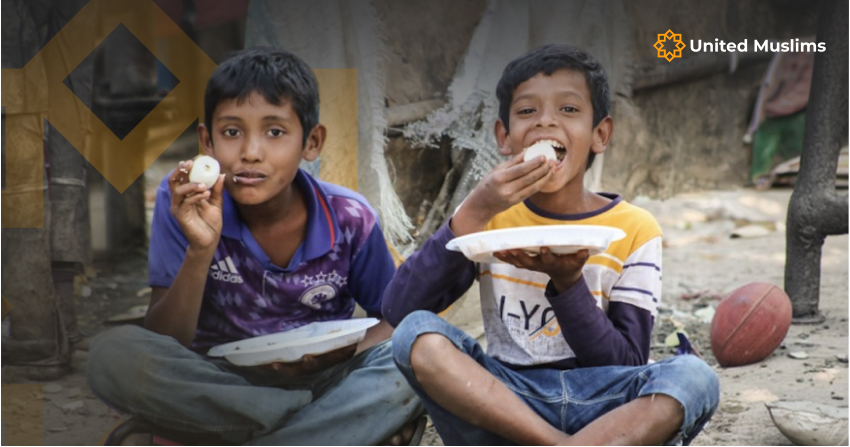
Bringing hope through small acts of kindness—a meal, a helping hand, or a gift can light up a child’s day.
Frequently Asked Questions
What does barakah mean in Islam?
Barakah refers to divine blessing. It brings increase, ease, and goodness in time, wealth, and actions.
What is the best deed to start the Hijri year with?
Sincere tawbah (repentance) is the best starting point. It cleans the heart and strengthens your foundation.
How can I make tawbah properly?
Stop the sin immediately, feel genuine regret, and firmly intend not to return. Make amends if others are affected.
What are the benefits of fasting in Muharram?
Fasting in Muharram is highly rewarding. The fast of Ashura expiates sins from the previous year.
How does sadaqah bring barakah?
Sadaqah invites Allah’s blessings. It increases provision and removes hardship, even in unseen ways.
